
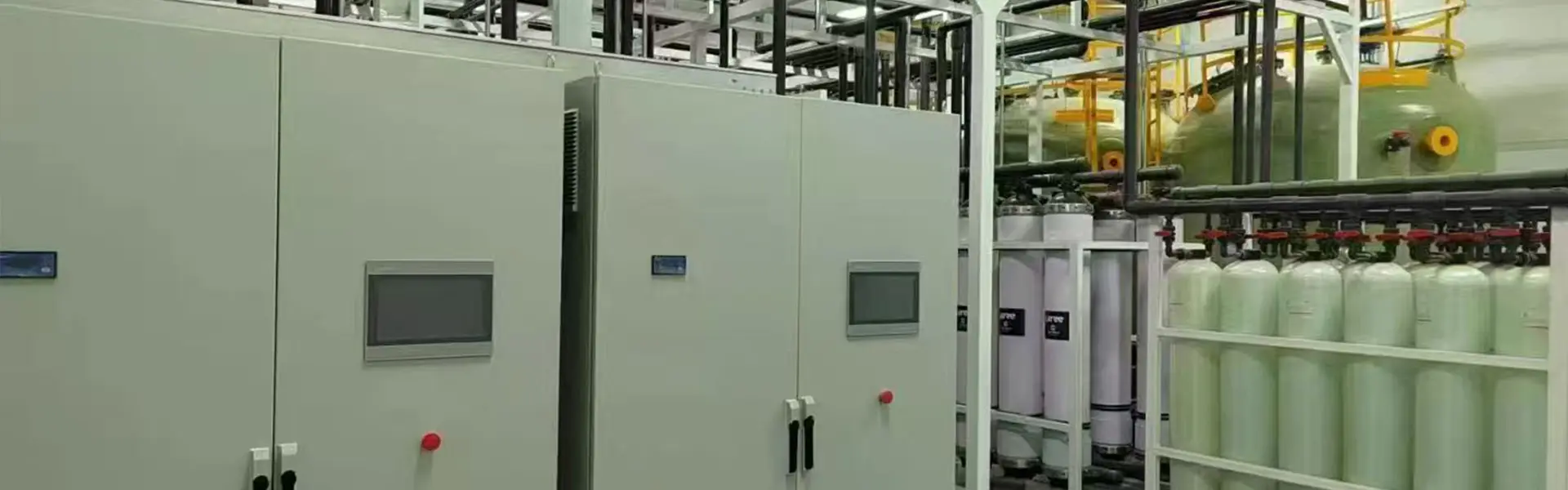
News
Stay informed with the latest news and insights from Junda, a professional China manufacturer and supplier of automated electroplating and surface treatment equipment. Read about our company updates, industry trends, and technological advancements in surface finishing.
 29 2026-07
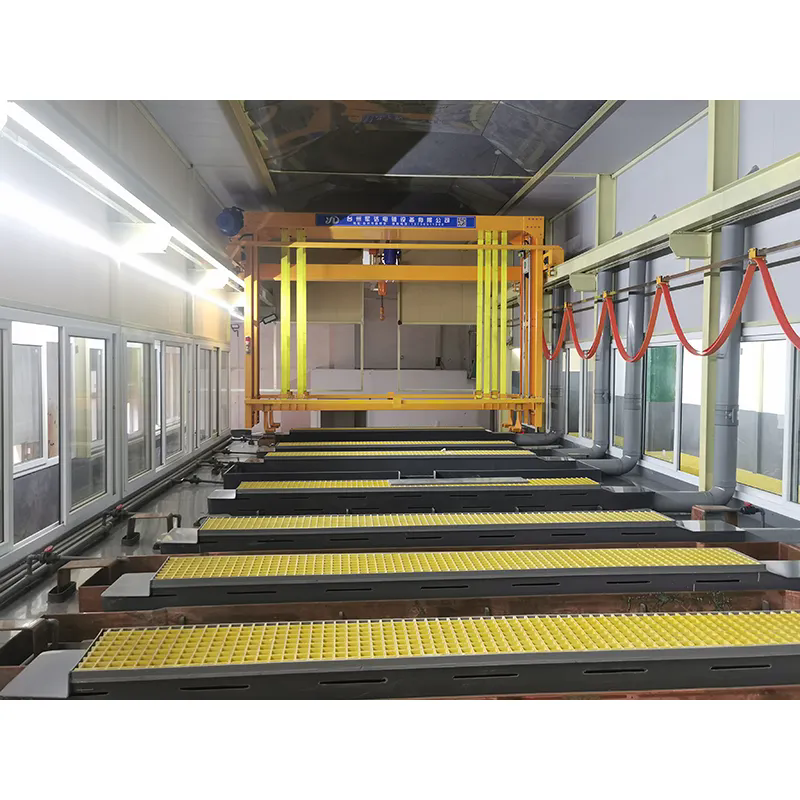
 How Does Gantry Rack Plating Line Improve Electroplating Efficiency and Quality?
A Gantry Rack Plating Line is an advanced automated electroplating solution designed to improve production efficiency, coating consistency, and operational safety for manufacturers requiring high-volume surface treatment. This article explains how gantry rack plating systems work, the common challenges faced in traditional plating operations, and how automation helps businesses achieve better productivity, reduced waste, and improved product quality. By understanding system structures, advantages, applications, and selection factors, manufacturers can make informed decisions when upgrading their electroplating processes.
 27 2026-07
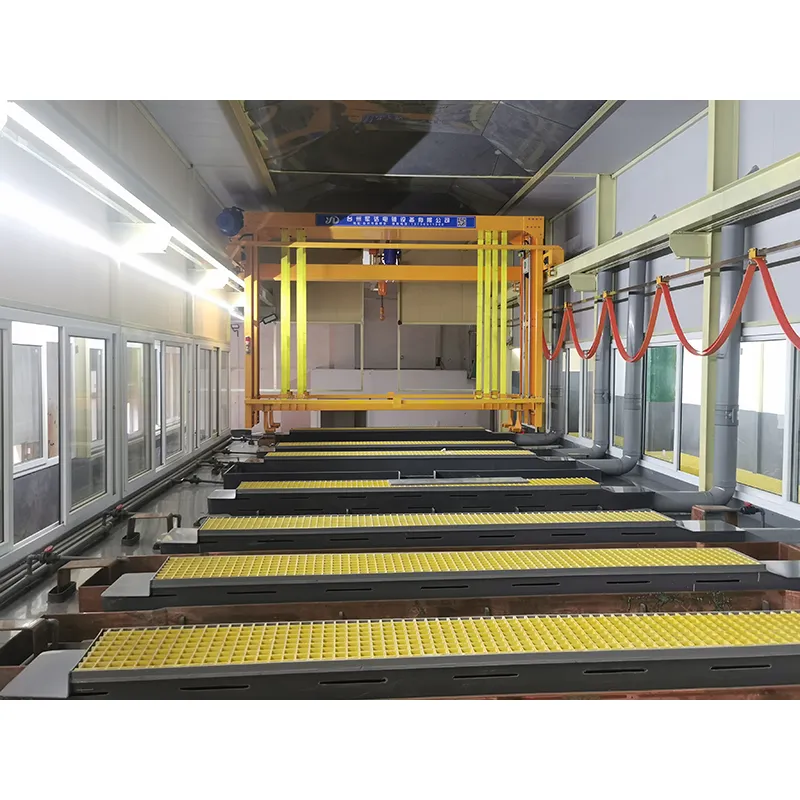
 Gantry Rack Plating Line: The Intelligent Solution for High-Mix, Low-Volume Electroplating Production
In modern manufacturing, the ability to handle multiple product types with rapid changeover is no longer a luxury — it is a competitive necessity. The gantry rack plating line from Junda is engineered specifically to solve the flexibility-efficiency paradox in automated electroplating.
 20 2026-07
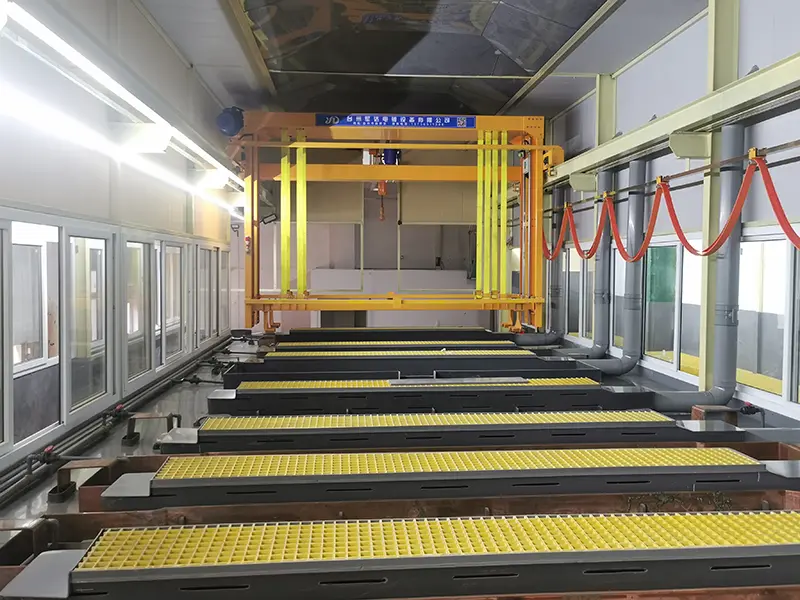
 Beyond Tanks & Hoists: Process-Centric Automation in Electroplating & Anodizing
For over a decade, the surface finishing industry has been defined by a quiet but profound shift: the transition from manual, operator-dependent lines to intelligent, process-driven automation. Yet, in our experience at Taizhou Junda Intelligent Equipment, true automation is not merely about replacing a hoist operator with a PLC. It is about fundamentally re-engineering the relationship between the substrate, the chemistry, and the current.
 08 2026-06
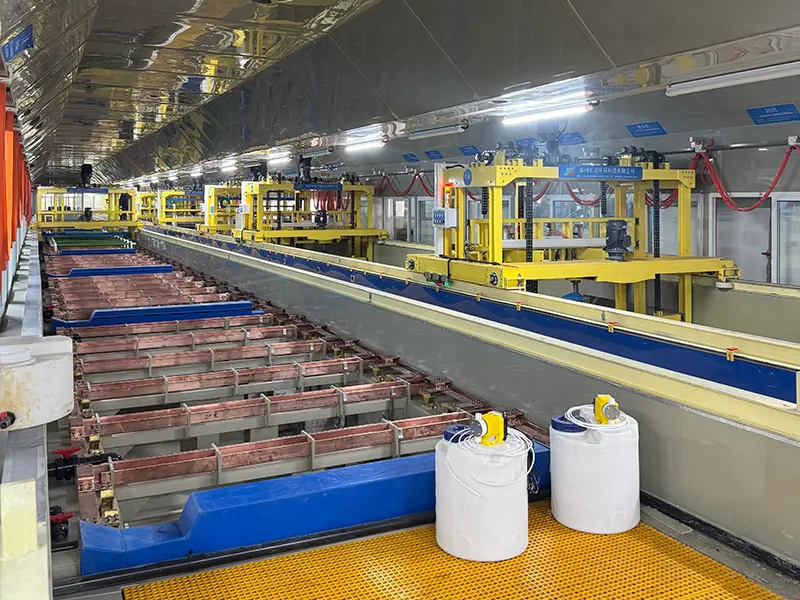
 Advantages of Electroplating Production
Divided into four categories: process performance, cost and productivity, adaptability, environmental protection & automation, combined with the characteristics of the automated production line:
 08 2026-06
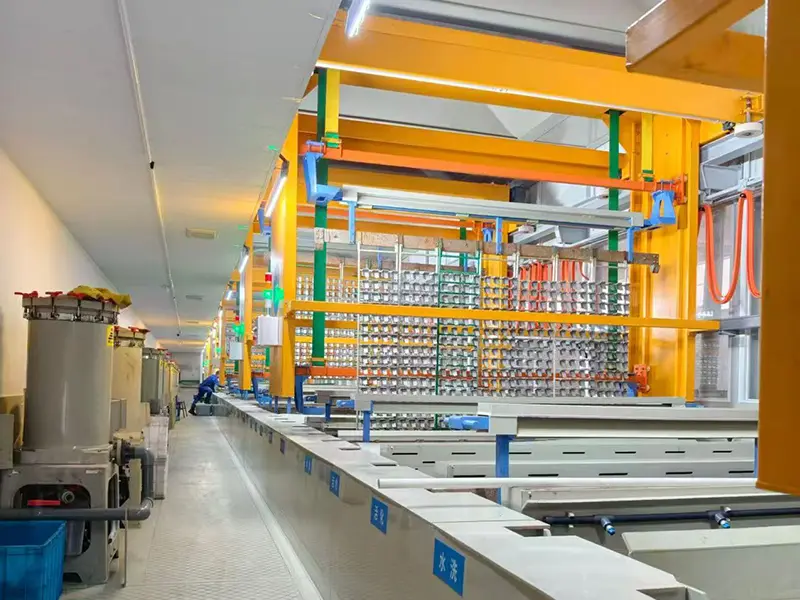
 Process flow of electroplating production
The overall process is divided into four main stages: pre-treatment, pre-plating (strike plating), main plating, and post-treatment. Fully automated lines operate continuously across workstations; while workpiece handling methods vary—rack plating, barrel plating, or continuous strip plating—the process logic remains consistent.
 08 2026-06
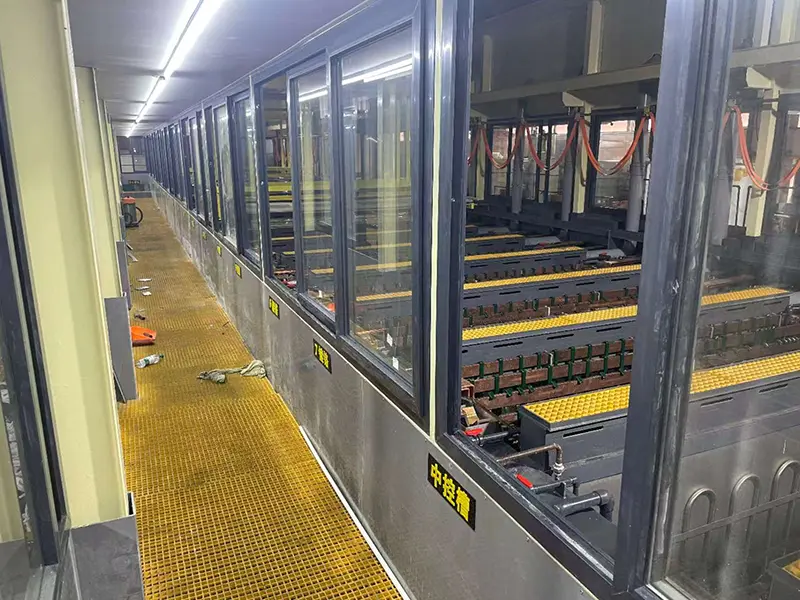
 Application of Automated Electroplating Production Lines
Driven by four core advantages—high precision, high yield rates, low labor costs, and controllable environmental impact—automated electroplating production lines have become critical infrastructure in modern precision manufacturing, widely adopted across sectors such as electronics, automotive, hardware, new energy, aerospace, and medical devices.