For over a decade, the surface finishing industry has been defined by a quiet but profound shift: the transition from manual, operator-dependent lines to intelligent, process-driven automation. Yet, in our experience at Taizhou Junda Intelligent Equipment, true automation is not merely about replacing a hoist operator with a PLC. It is about fundamentally re-engineering the relationship between the substrate, the chemistry, and the current.
Since 2008, we have approached every project — from a gantry rack plating line for automotive trim to a hard anodizing system for aerospace components — with a singular philosophy: the equipment must serve the process, not the other way around. This process-first mindset is what separates a functional line from a truly optimized one.
The Core Challenge: Uniformity on Complex Geometries
One of the most persistent challenges in electroplating is achieving a consistent coating thickness on parts with intricate geometries, deep recesses, or variable surface areas. A standard barrel line might suffice for simple fasteners, but for components like hydraulic cylinder rods, automotive brackets, or precision electronic housings, the margin for error shrinks dramatically.
To address this, our engineering team begins with a detailed analysis of the part geometry and the required coating specifications. We do not simply quote a standard tank size. Instead, we simulate the electric field distribution within the tank to optimize anode placement and current density. This process allows us to design custom fixtures and, where necessary, implement auxiliary anodes or shielding cathodes. The goal is ambitious but achievable: a uniform coating thickness of ±10% across the entire rack.
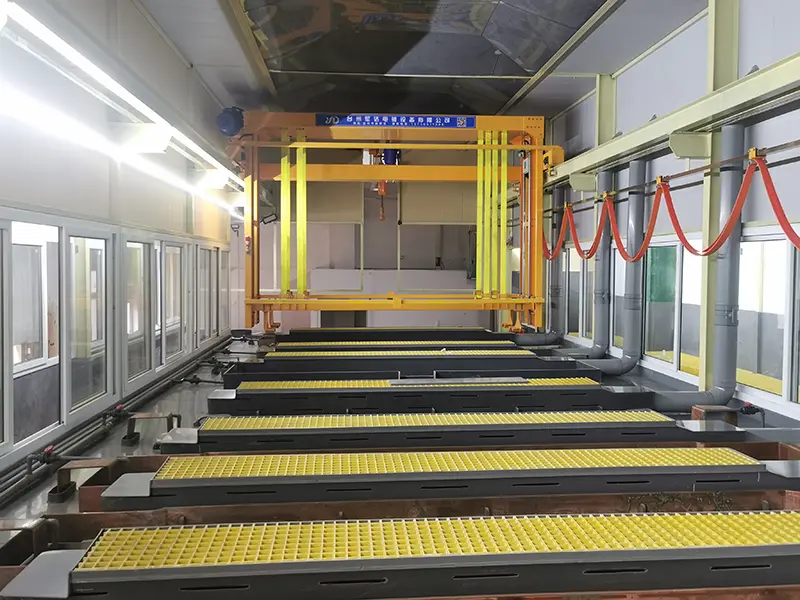
Engineering simulation ensures current density distribution is optimized before a single tank is fabricated.
From Process Design to Turnkey Execution
A well-designed process is only as effective as its implementation. This is where our turnkey approach delivers tangible value. We manage the entire project lifecycle, from the initial process concept through to on-site commissioning and operator training.
- Process Design: We define the optimal sequence of pre-treatment, plating, and post-treatment steps based on your substrate material and desired finish. This includes specifying bath chemistries, temperature controls, and current rectification requirements.
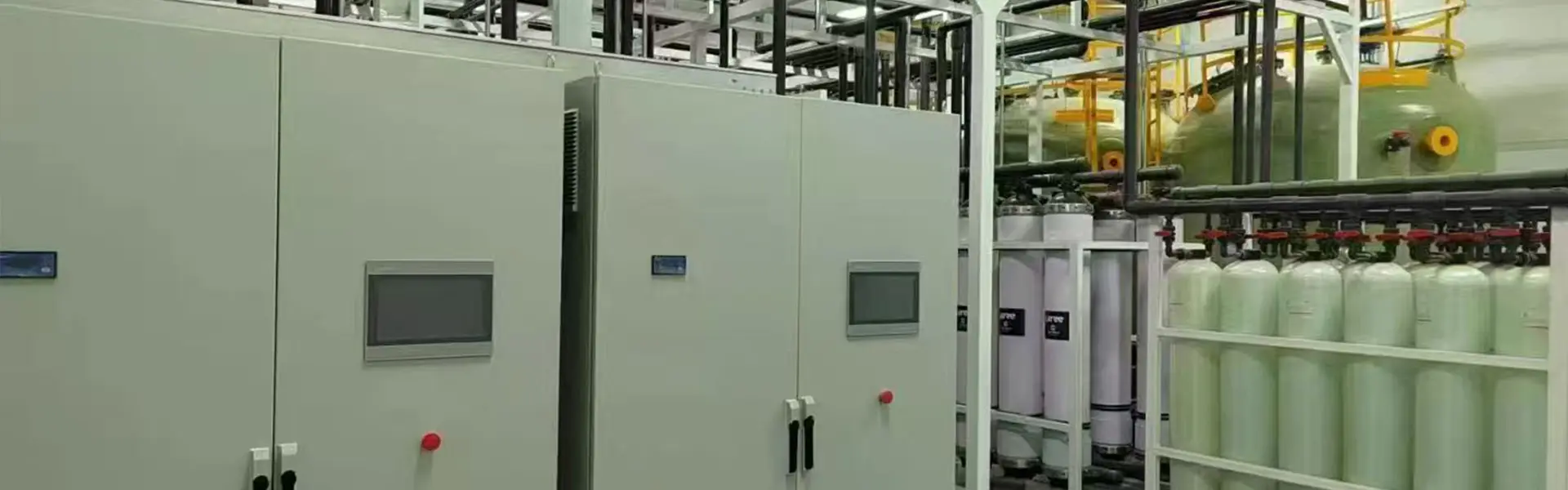
- Custom Manufacturing: Our 3,000m² facility produces tanks, hoists, and control systems tailored to your specific line layout and capacity. We integrate water recycling equipment and exhaust gas treatment from the ground up, ensuring environmental compliance from day one.
- Installation & Commissioning: Our engineers supervise on-site installation and handle the critical integration of mechanical, electrical, and piping systems. We do not walk away until the line is producing parts that meet your quality standards.
Automation with Intelligence, Not Just Logic
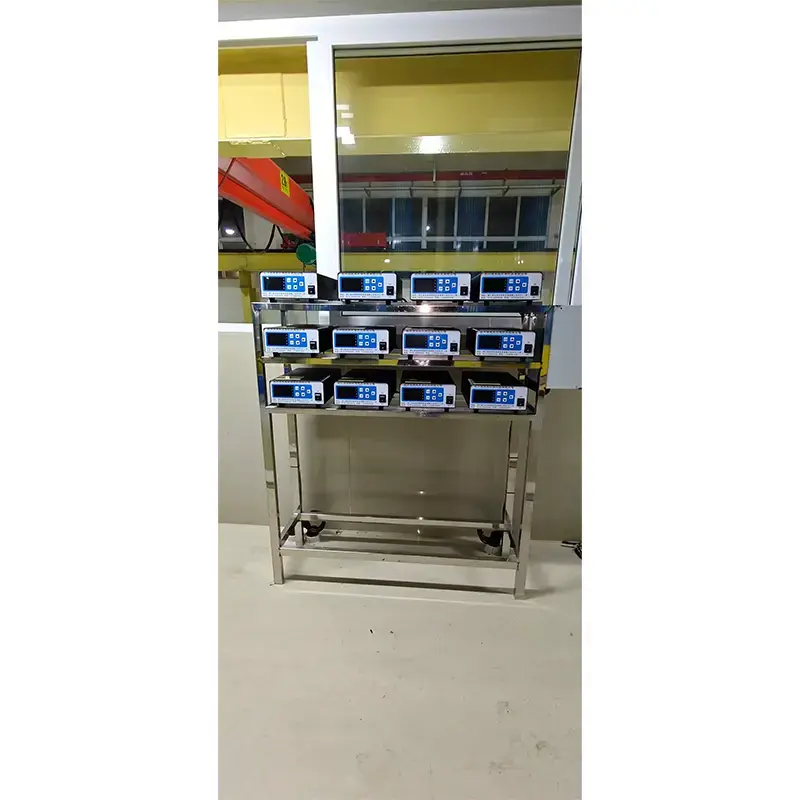
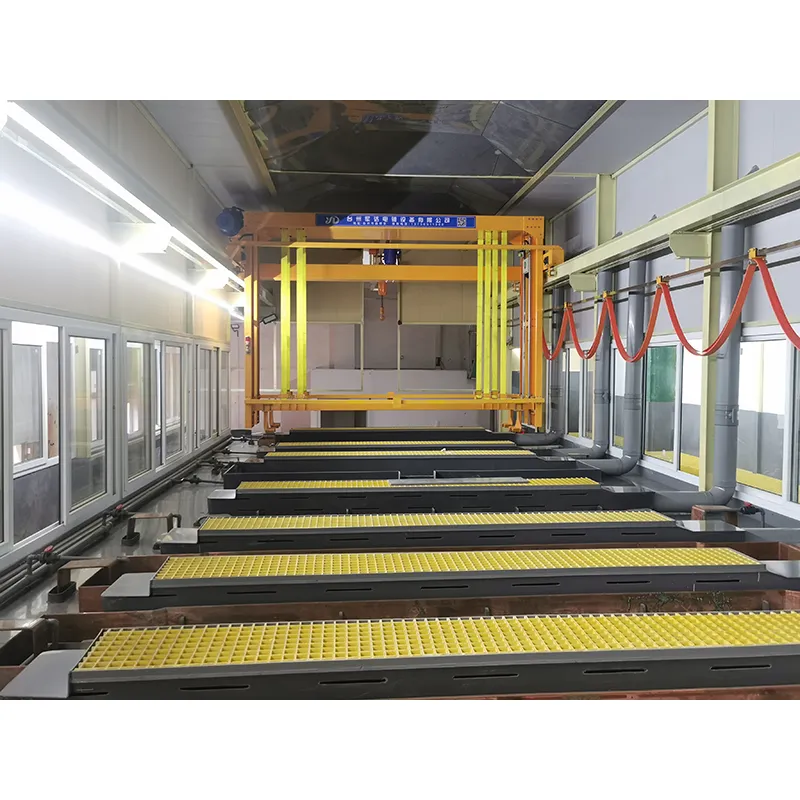
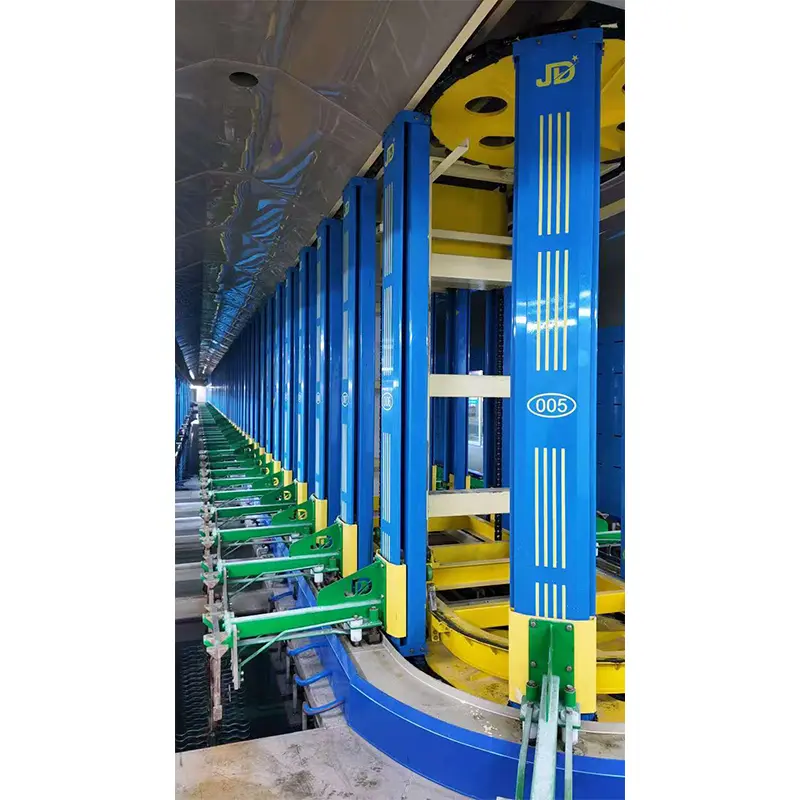
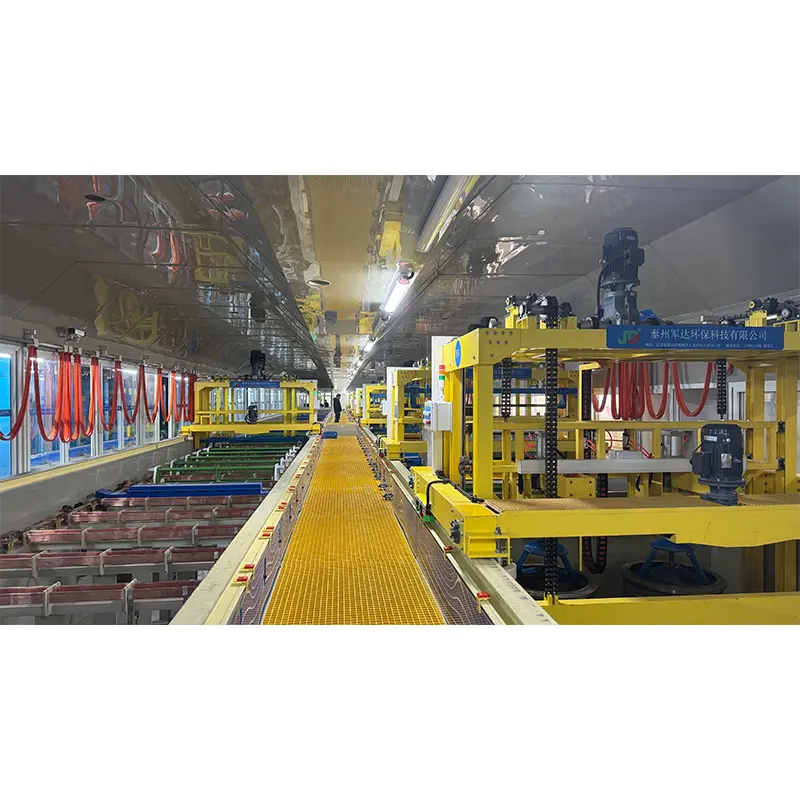
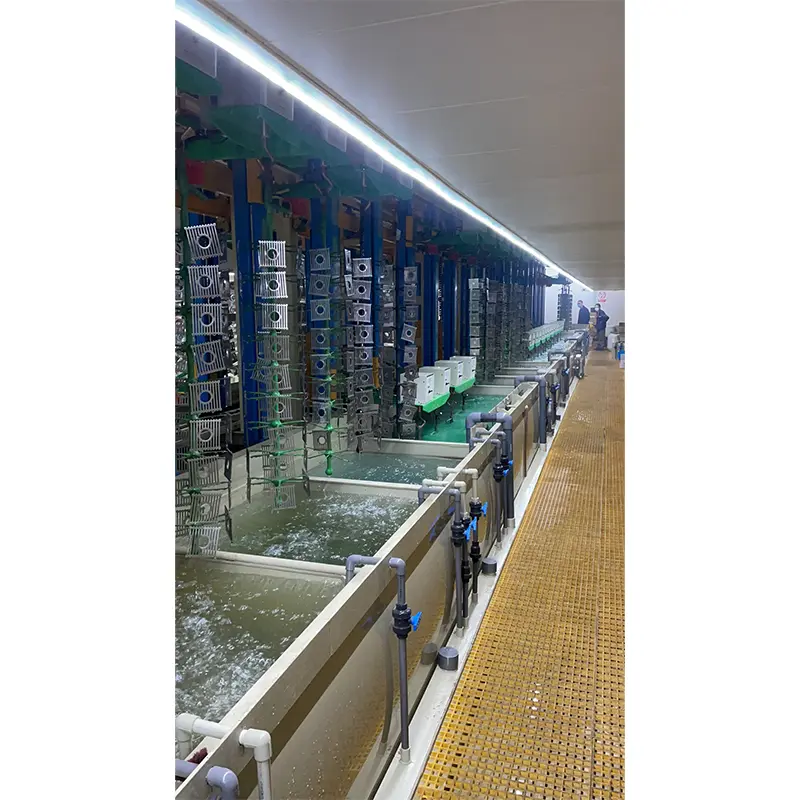
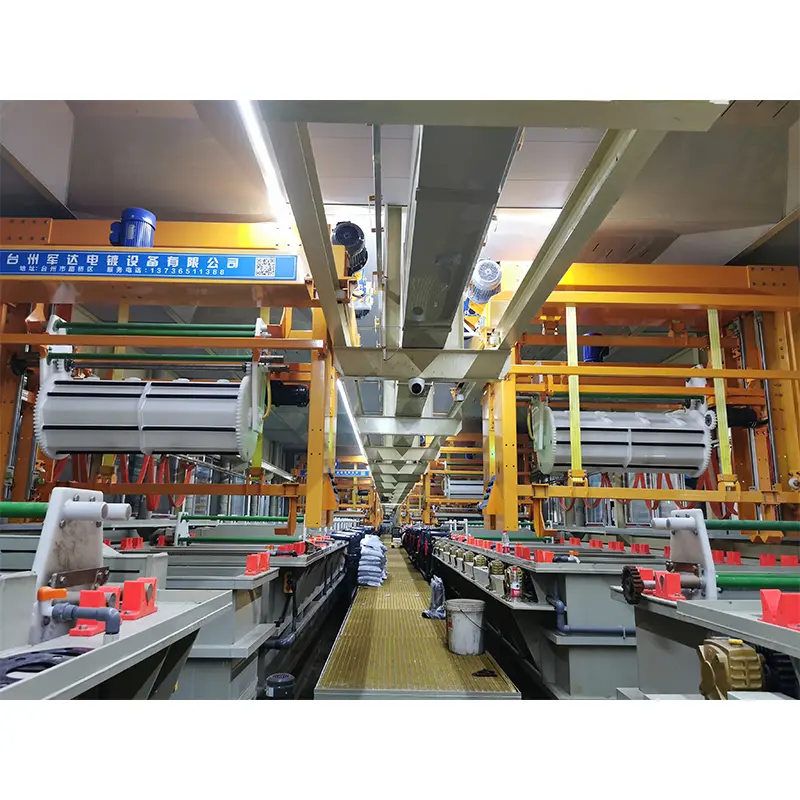
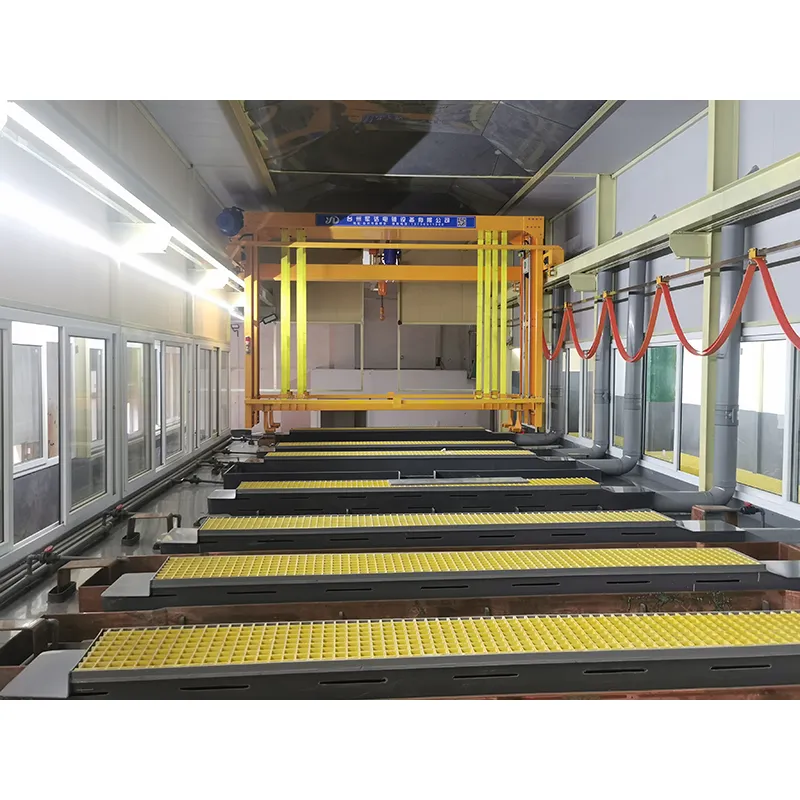
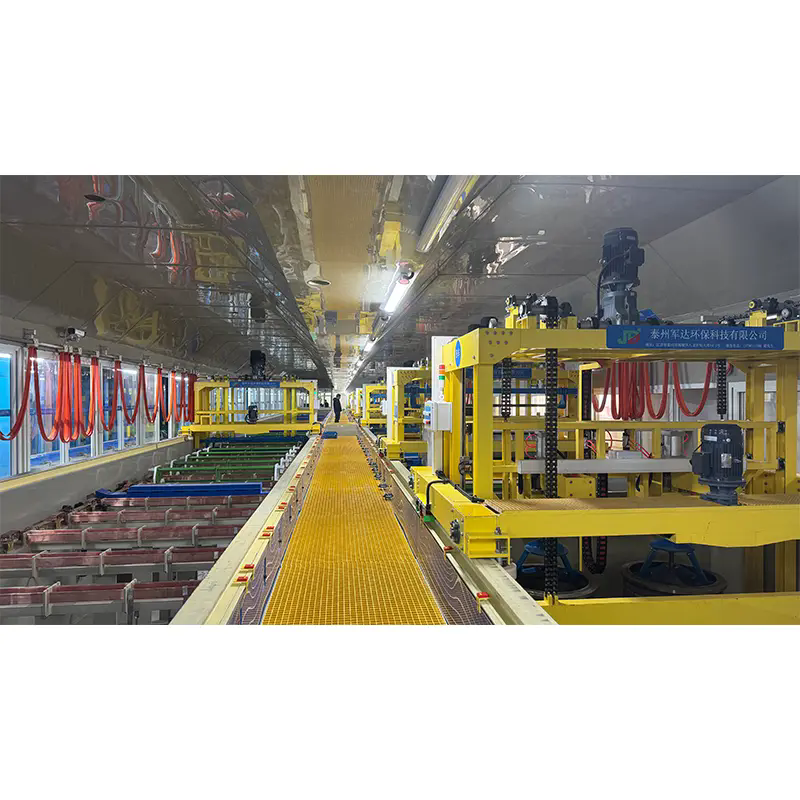
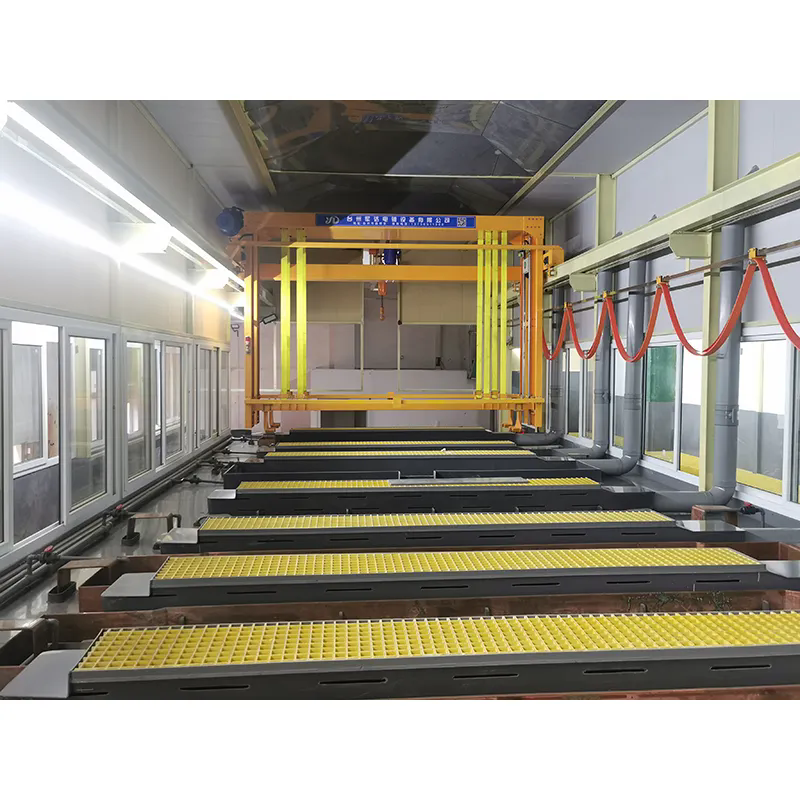
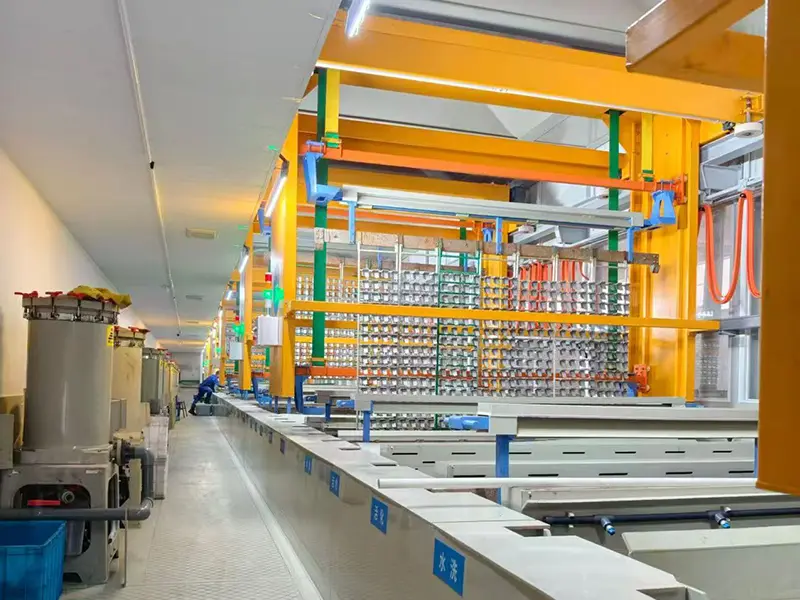
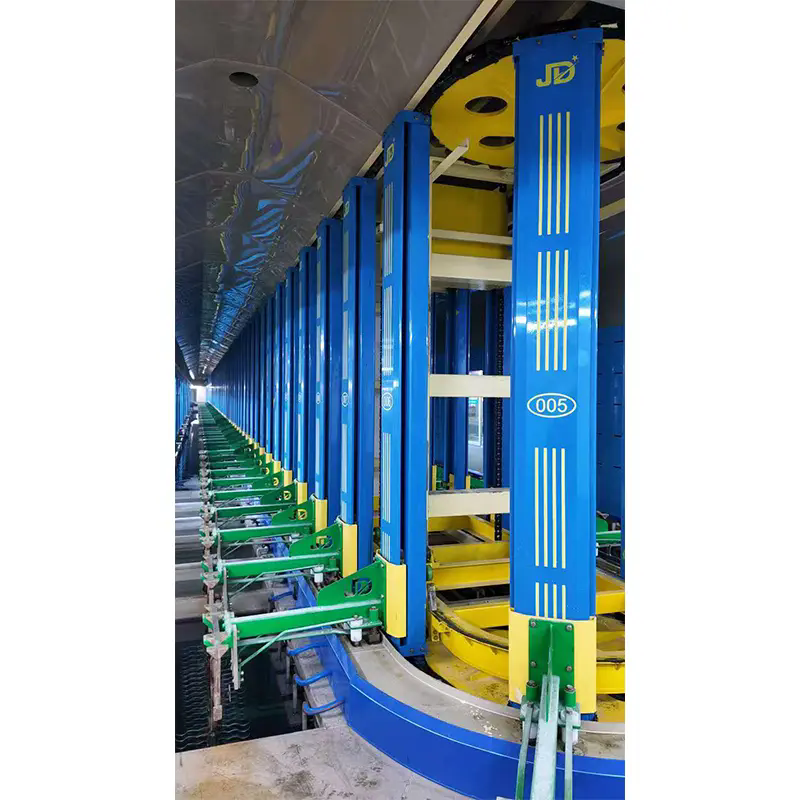
The sophistication of a PLC-controlled system lies in its ability to adapt. Our automated lines — whether gantry barrel, rack, or vertical hoist — are programmed with flexible routing that allows for multi-product simultaneous production. This is particularly valuable for manufacturers dealing with small-batch, high-variety orders.
For example, a single gantry rack line can be configured to run a nickel-chrome cycle for automotive parts in the morning and switch to a zinc-plating program for hardware components in the afternoon, with minimal changeover time. This flexibility is driven by our proprietary control software, which stores multiple process recipes and allows operators to select the appropriate cycle with a few taps on a touchscreen.
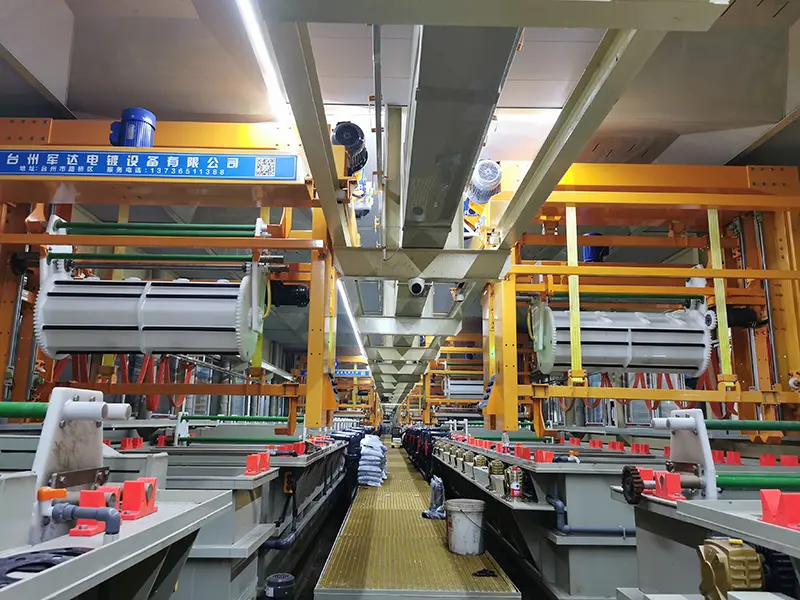
The Gantry Barrel Plating Line exemplifies flexible, high-throughput automation for diverse part families.
Environmental Responsibility as a Design Parameter
In today's regulatory landscape, environmental performance is not an afterthought; it is a primary design consideration. Our systems integrate waste gas scrubbers, wastewater treatment modules, and closed-loop water recycling wherever feasible. We hold certifications including the Zhejiang Province Ecological Restoration Certificate, reflecting our commitment to sustainable industrial practices.
A recent project for a client in the automotive supply chain required a zero-discharge target. By integrating a reverse osmosis (RO) system with a multi-stage evaporator, we were able to recycle over 95% of the process water, significantly reducing the client's operating costs and environmental footprint.
Trust Built on Real Projects
Our approach has been validated through numerous large-scale projects across China and beyond. Notable installations include a comprehensive line for the Jinmaoyuan Surface Treatment Industrial Park, featuring barrel zinc, rack zinc, and nickel-chrome vertical hoist systems. Another recent project involved the design and supply of an anodizing line for Baida Precision Manufacturing, a listed company specializing in aerospace and precision components.
These projects share a common thread: they required a partner capable of delivering not just hardware, but engineering expertise and a deep understanding of the underlying electrochemical processes. Our 12-month warranty and lifetime technical support are commitments to the long-term success of these partnerships.
Conclusion: Engineering the Future of Surface Finishing
The future of electroplating and anodizing lies in the seamless integration of process chemistry, automation technology, and environmental stewardship. At Junda, we see ourselves as a bridge between these domains. Whether you are upgrading an existing line or building a new facility from the ground up, our team is prepared to deliver a solution that is as intelligent as it is reliable.
We invite you to contact our engineering team to discuss your specific application. Let us show you how process-centric automation can elevate your production quality and operational efficiency.
Frequently Asked Questions About Our Approach
How does Junda ensure consistent plating thickness on complex parts?
We use a combination of custom fixture design, electric field simulation, and precise PLC-controlled current density management. This engineering-first approach allows us to achieve ±10% uniformity across the entire rack.
What processes can a single Junda line support?
We design lines for zinc, nickel, copper, chrome, hard chrome, anodizing, powder coating, E-coating, and plastic electroplating. Our flexible control systems allow for multiple process recipes on the same equipment.
Do you provide training for operators?
Yes. Comprehensive on-site training is part of our turnkey service. We cover system operation, safety protocols, maintenance, and troubleshooting to ensure your team is fully confident.