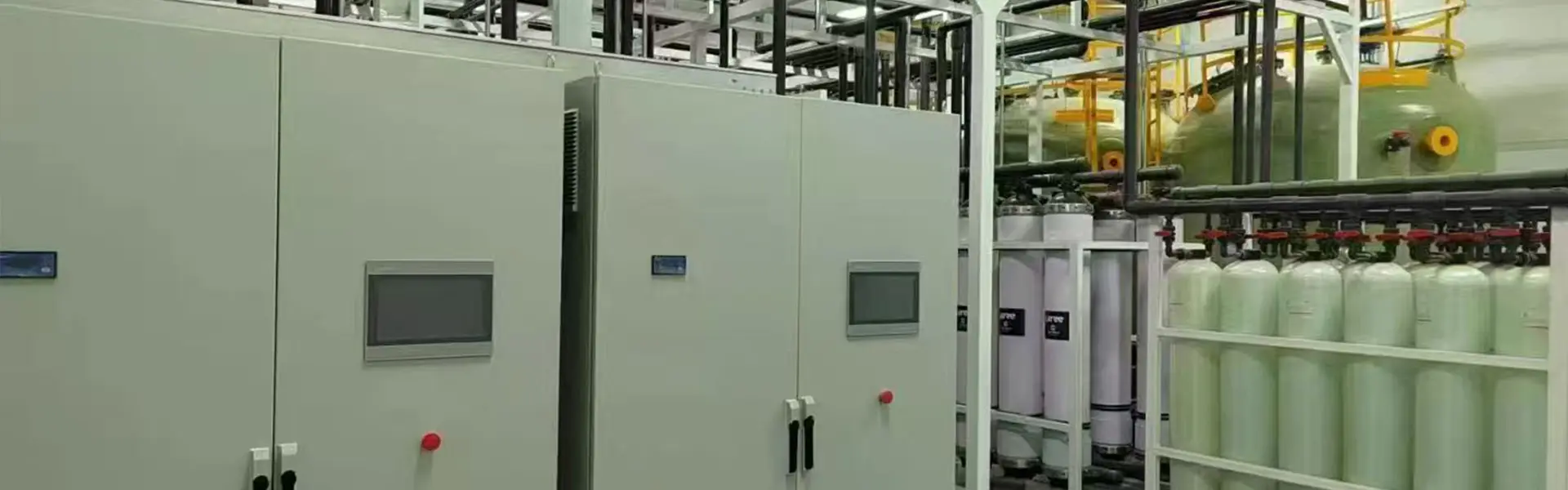
How Does Gantry Rack Plating Line Improve Electroplating Efficiency and Quality?
Article Summary
A Gantry Rack Plating Line is an advanced automated electroplating solution designed to improve production efficiency, coating consistency, and operational safety for manufacturers requiring high-volume surface treatment. This article explains how gantry rack plating systems work, the common challenges faced in traditional plating operations, and how automation helps businesses achieve better productivity, reduced waste, and improved product quality. By understanding system structures, advantages, applications, and selection factors, manufacturers can make informed decisions when upgrading their electroplating processes.
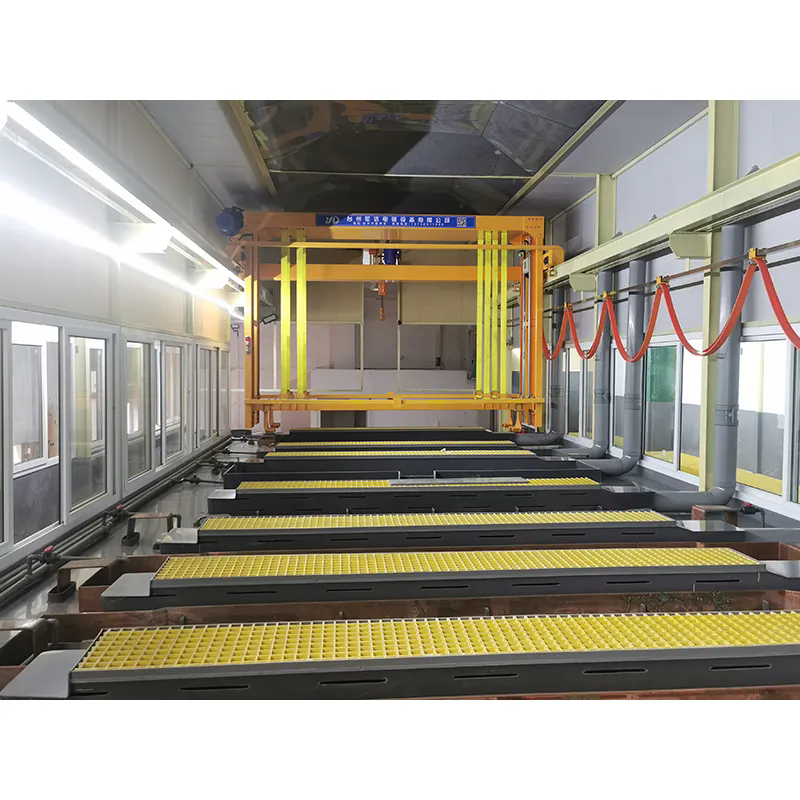
Table of Contents
- 1. What Is a Gantry Rack Plating Line?
- 2. How Does a Gantry Rack Plating Line Work?
- 3. What Problems Can a Gantry Rack Plating Line Solve?
- 4. Key Advantages of Using a Gantry Rack Plating Line
- 5. Main Components of a Gantry Rack Plating Line
- 6. Industrial Applications of Gantry Rack Plating Systems
- 7. How to Choose the Right Gantry Rack Plating Line?
- 8. Frequently Asked Questions
- 9. Conclusion
What Is a Gantry Rack Plating Line?
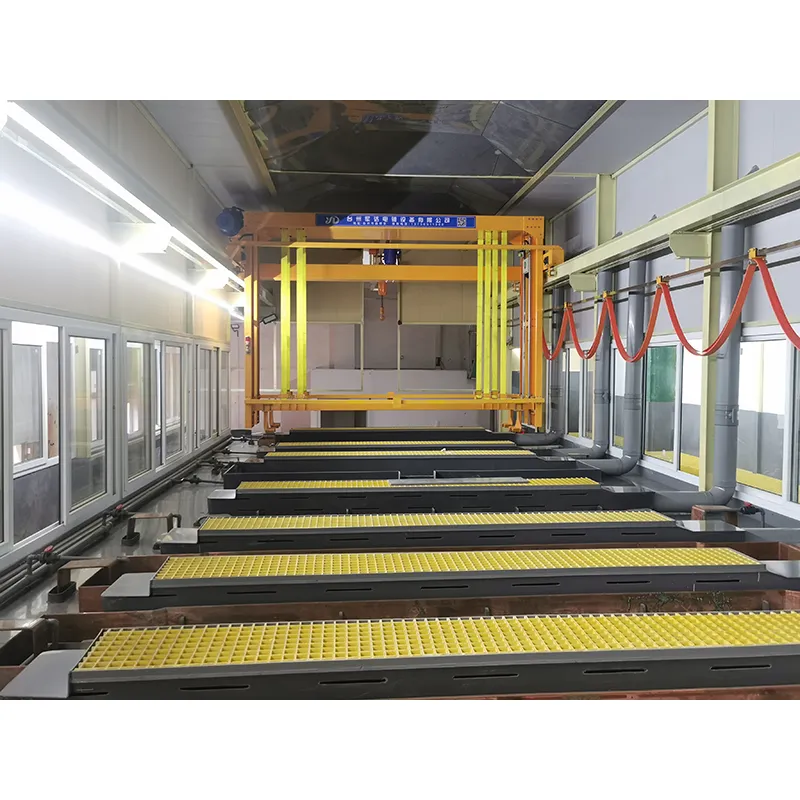
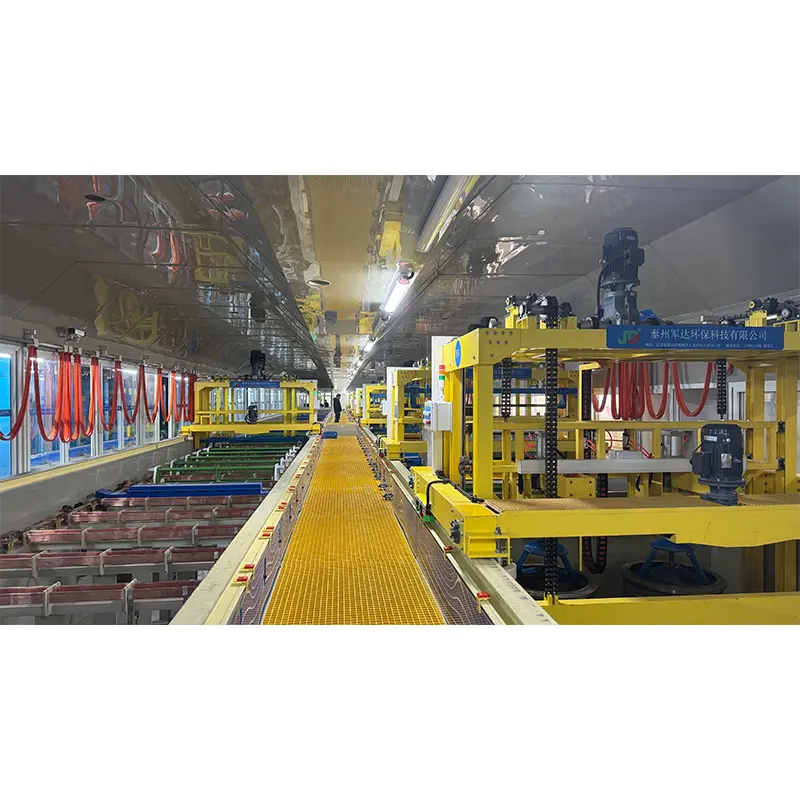
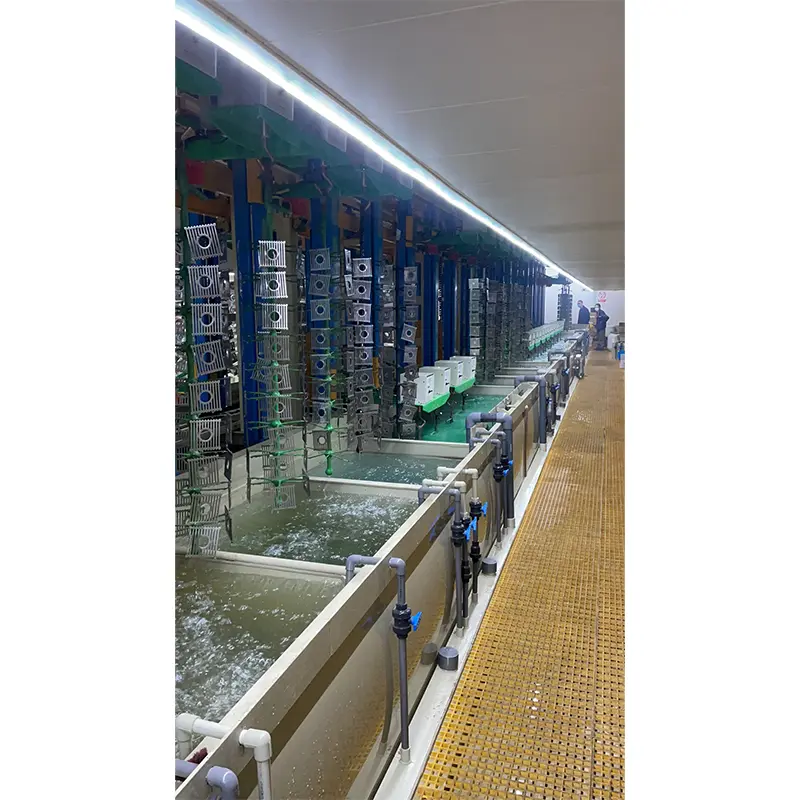
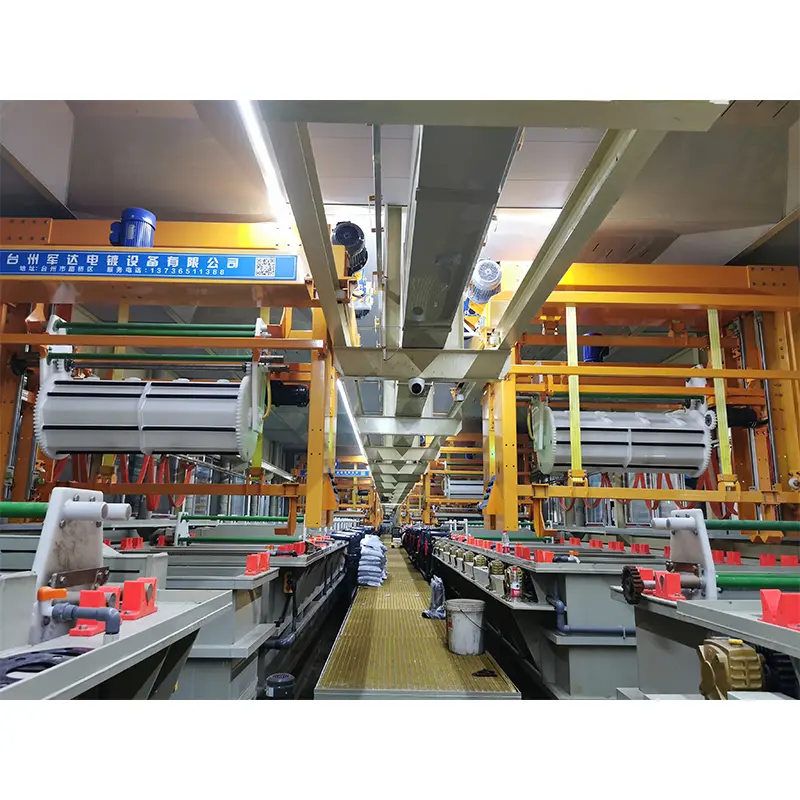
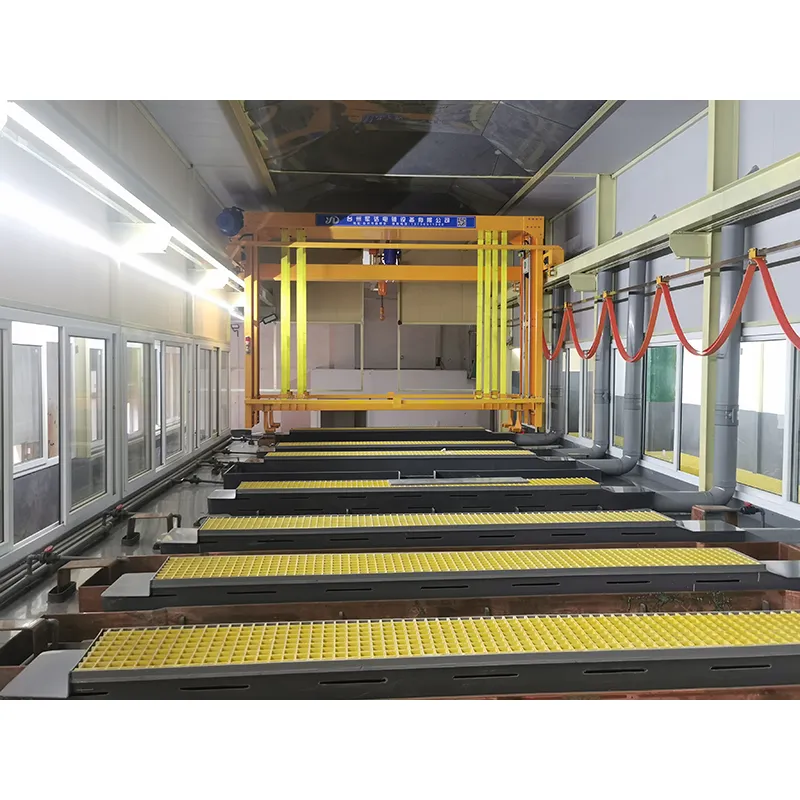
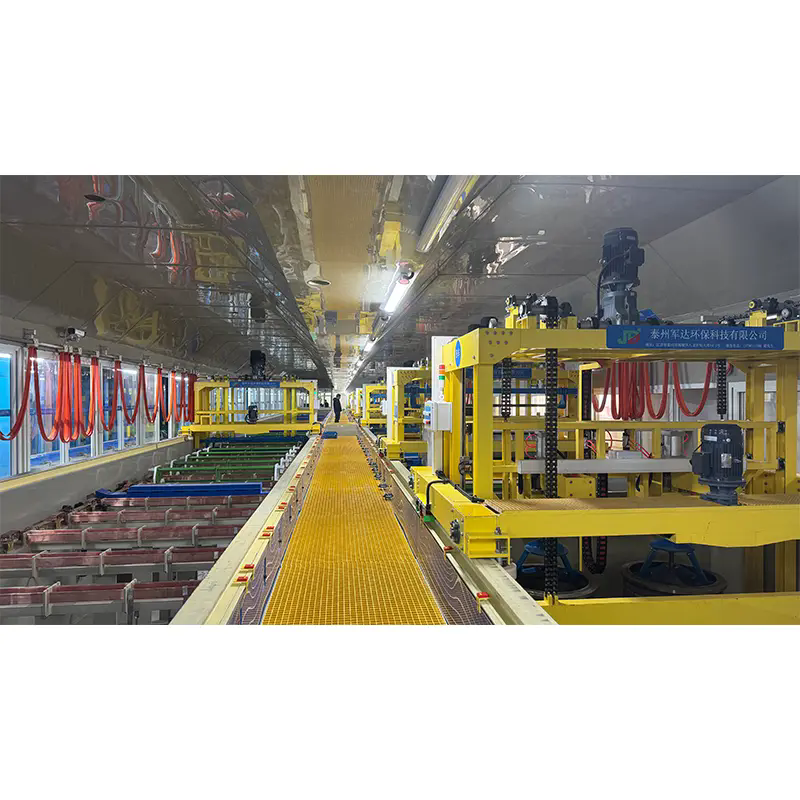
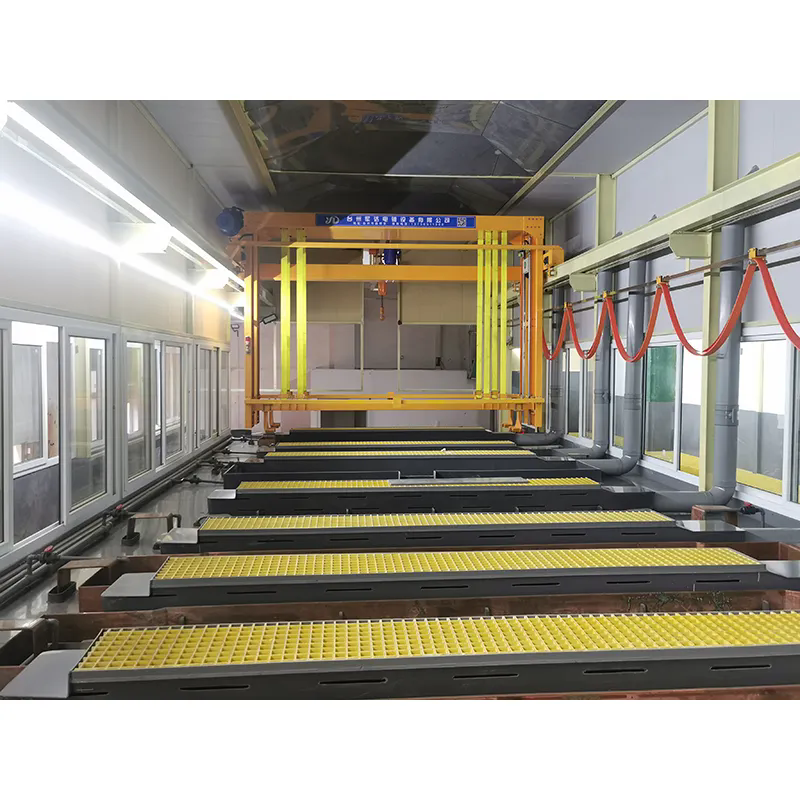
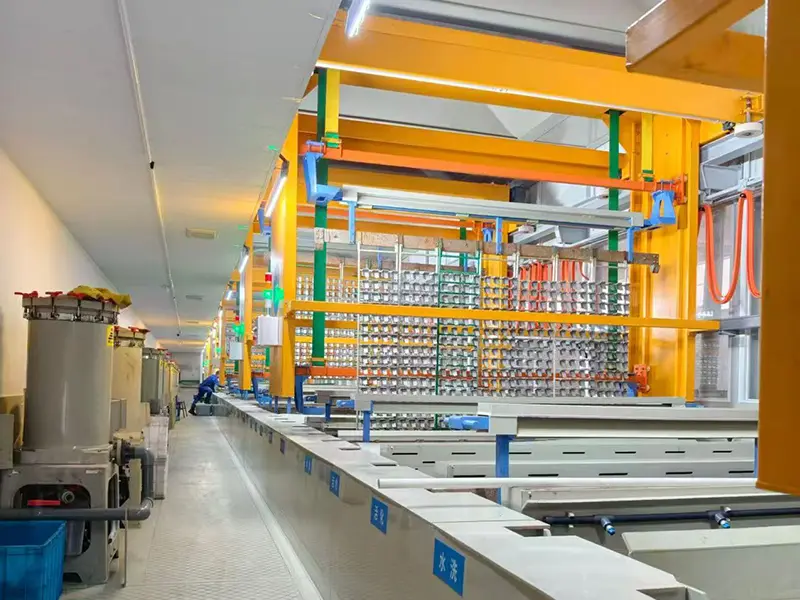
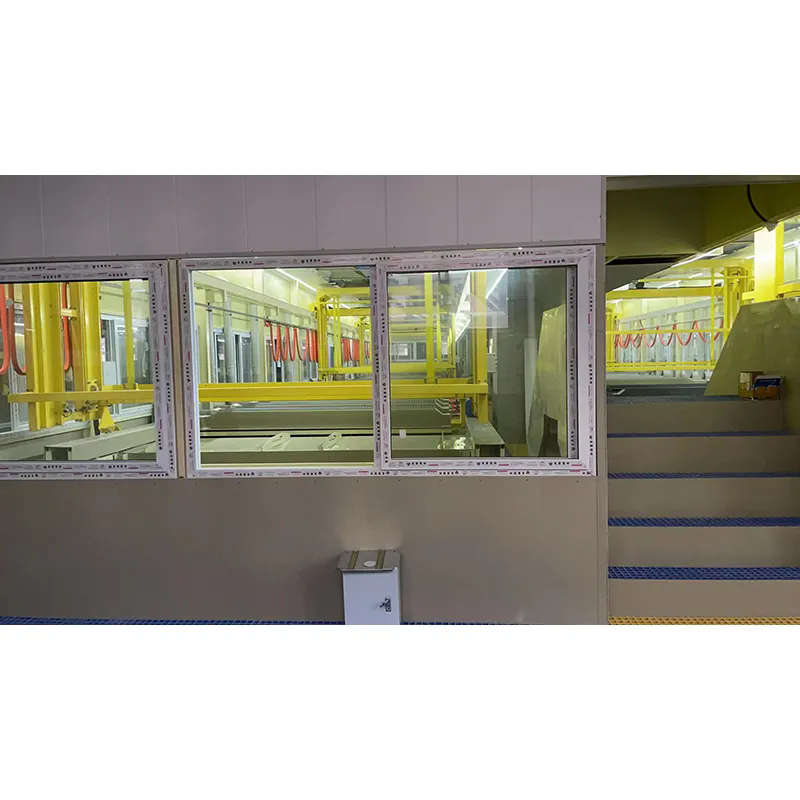
A Gantry Rack Plating Line is an automated electroplating production system that uses a gantry-style transportation mechanism to move workpieces mounted on racks through different treatment tanks. The system integrates loading, cleaning, surface preparation, plating, rinsing, drying, and unloading processes into one continuous production workflow.
Compared with traditional manual plating operations, a gantry rack plating line provides higher automation levels and more accurate process control. It is especially suitable for industries that require stable surface coatings, large production capacity, and strict quality standards.
The main purpose of this equipment is to ensure every workpiece receives uniform treatment under controlled conditions. Parameters such as plating time, movement speed, liquid temperature, and chemical concentration can be accurately managed, reducing human errors and improving product consistency.
How Does a Gantry Rack Plating Line Work?
The working principle of a Gantry Rack Plating Line is based on automatic transportation and precise electrochemical treatment. Products are first fixed onto plating racks and then transferred between different process tanks by the gantry lifting system.
The typical working process includes the following stages:
- Loading Process: Operators place products onto dedicated racks according to production requirements.
- Cleaning and Degreasing: Surface contaminants such as oil, dust, and oxidation layers are removed.
- Surface Activation: The workpieces are prepared to improve coating adhesion.
- Electroplating Process: Electrical current allows metal ions in the plating solution to deposit evenly onto product surfaces.
- Rinsing Process: Remaining chemicals are removed to prevent contamination.
- Drying Process: Finished products are dried and prepared for inspection or packaging.
The automatic gantry movement system ensures accurate positioning and repeatable processing cycles. This makes it possible for manufacturers to maintain stable quality even during long-term continuous production.
What Problems Can a Gantry Rack Plating Line Solve?
Many manufacturers experience difficulties when using conventional plating methods. These challenges can affect production efficiency, operating costs, and final product quality.
- Inconsistent Coating Thickness: Manual operation may cause uneven immersion times, resulting in inconsistent plating thickness.
- High Labor Requirements: Traditional processes require significant manual handling and monitoring.
- Low Production Efficiency: Manual transfer between tanks limits production speed.
- Higher Chemical Consumption: Poor process control can increase waste of plating materials.
- Safety Risks: Workers may face direct exposure to chemicals during operation.
A Gantry Rack Plating Line addresses these issues through automation, intelligent control systems, and optimized process management. It allows manufacturers to improve productivity while maintaining reliable coating performance.
Key Advantages of Using a Gantry Rack Plating Line
Modern electroplating industries increasingly rely on automated plating equipment because it offers significant operational benefits.
- Improved Production Efficiency: Automated transportation reduces processing time and allows continuous operation.
- Better Coating Uniformity: Precise movement control ensures consistent plating results across batches.
- Reduced Labor Costs: Automation minimizes repetitive manual operations.
- Enhanced Production Safety: Operators have less direct contact with chemical solutions.
- Lower Material Waste: Accurate process control helps optimize chemical usage.
- Flexible Production Capability: Systems can be customized according to product size, output requirements, and plating processes.
For companies seeking long-term production improvements, investing in an automated gantry rack plating system can provide measurable benefits in both manufacturing efficiency and product reliability.
Main Components of a Gantry Rack Plating Line
A complete Gantry Rack Plating Line consists of multiple integrated components working together to achieve stable electroplating performance.
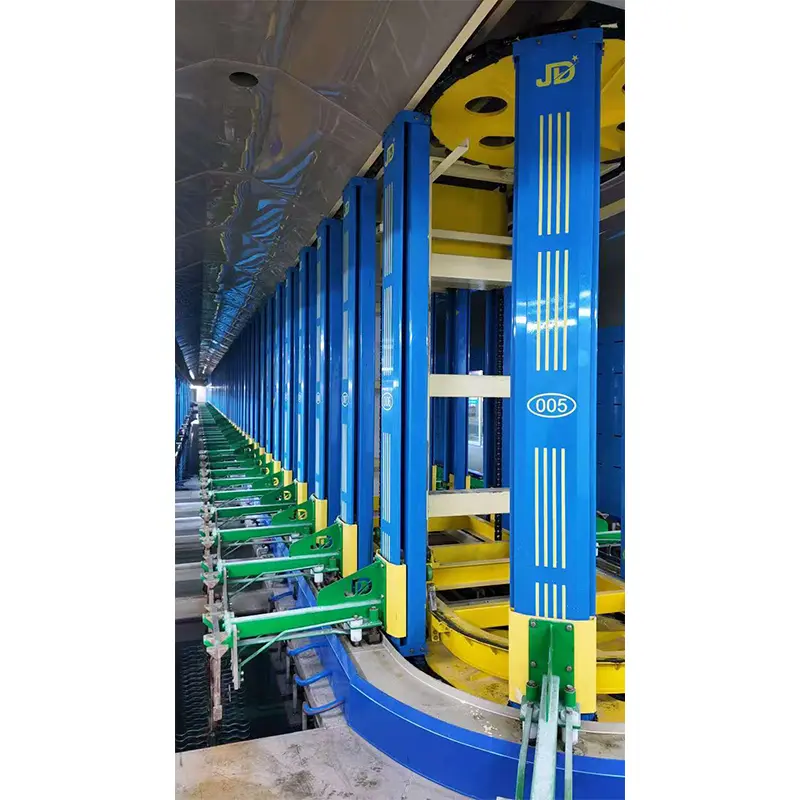
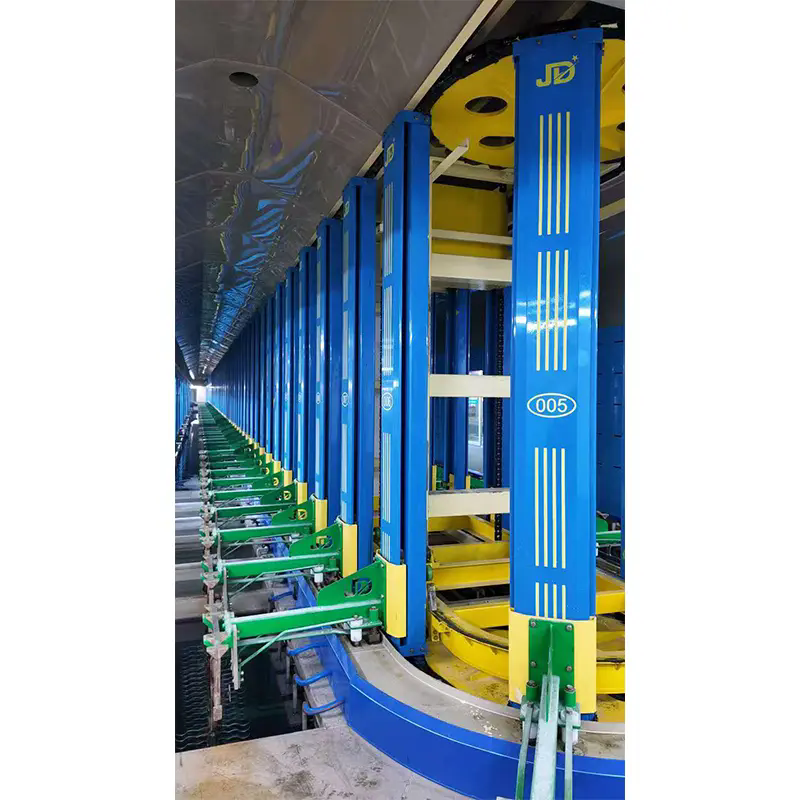
- Gantry Transportation System: Responsible for horizontal movement and vertical lifting of racks between tanks.
- Plating Tanks: Containers designed for different chemical treatment processes.
- Electrical Control System: Manages movement programs, operation parameters, and safety functions.
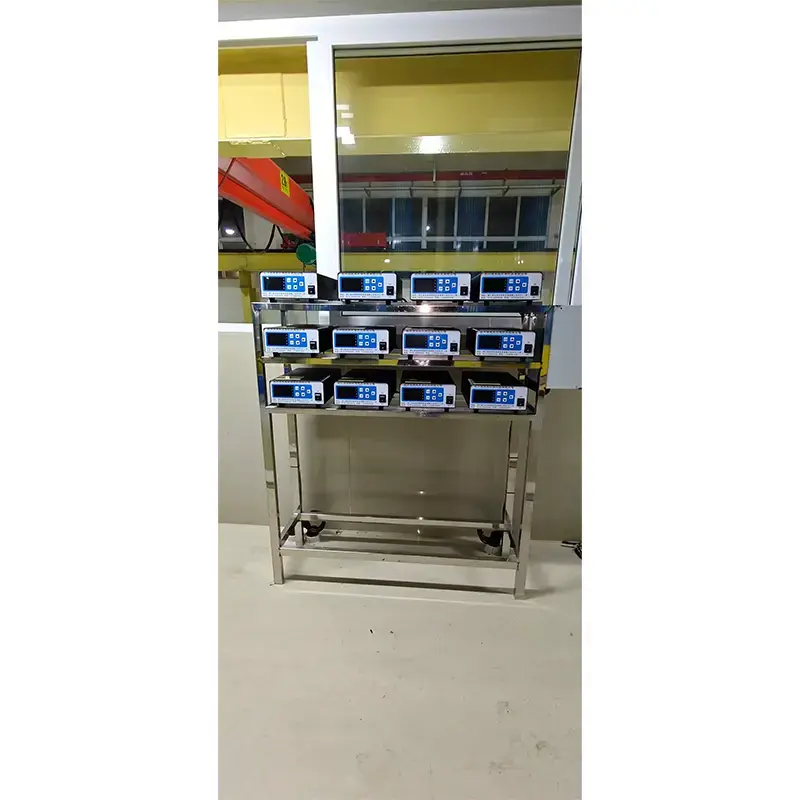
- Heating and Temperature Control System: Maintains suitable solution temperatures for different plating requirements.
- Filtration System: Helps maintain solution cleanliness and improves coating quality.
- Rack Fixtures: Hold products securely during the plating process.
The integration quality of these components directly influences system stability, maintenance requirements, and production performance.
Industrial Applications of Gantry Rack Plating Systems
Gantry rack plating technology is widely used in industries where surface protection, appearance improvement, and corrosion resistance are essential.
- Automotive components
- Electronic hardware
- Electrical equipment parts
- Hardware accessories
- Machinery components
- Communication equipment
- Metal decorative products
Different industries may require different plating methods, including nickel plating, chrome plating, zinc plating, copper plating, and other surface treatment processes. A properly designed system can be adapted to meet specific manufacturing requirements.
How to Choose the Right Gantry Rack Plating Line?
Selecting the correct plating system requires careful consideration of production goals, product characteristics, and future expansion plans.
- Production Capacity: Evaluate daily output requirements and choose equipment with suitable processing capability.
- Product Size and Weight: Ensure the rack design and transportation system can safely handle workpieces.
- Automation Level: Consider whether fully automatic or semi-automatic operation better matches production needs.
- Process Compatibility: Confirm that the system supports required plating methods and chemical processes.
- Equipment Reliability: Choose manufacturers with strong engineering experience and after-sales support.
Taizhou Junda Intelligent Equipment Co., Ltd. focuses on developing intelligent electroplating solutions that help manufacturers improve automation levels and production efficiency. Through professional equipment design and customized solutions, the company supports customers with reliable surface treatment systems suitable for different industrial applications.
Frequently Asked Questions
Q1: What is the main purpose of a Gantry Rack Plating Line?
A Gantry Rack Plating Line is designed to automate the movement and processing of workpieces during electroplating, ensuring stable coating quality and improving production efficiency.
Q2: Can a Gantry Rack Plating Line be customized?
Yes. The equipment can be customized according to product dimensions, production capacity, factory layout, and required plating processes.
Q3: Is an automatic plating line better than manual plating?
Automatic plating systems usually provide higher consistency, faster production speed, and better process control compared with manual operations.
Q4: How can a Gantry Rack Plating Line reduce production costs?
By reducing labor requirements, improving material utilization, and minimizing production errors, automated plating lines can help manufacturers lower overall operating costs.
Q5: What industries commonly use gantry plating equipment?
Automotive, electronics, hardware manufacturing, machinery, and electrical industries commonly use gantry plating systems for surface treatment applications.
Conclusion
A Gantry Rack Plating Line plays an important role in modern electroplating manufacturing by combining automation, precision control, and efficient production management. It helps companies overcome common challenges such as inconsistent coating quality, high labor costs, and limited production capacity.
With advanced design concepts and customized engineering capabilities, Taizhou Junda Intelligent Equipment Co., Ltd. provides reliable electroplating solutions that support manufacturers in achieving higher productivity and stable product quality.
If you are looking for a professional Gantry Rack Plating Line solution to optimize your electroplating process, improve efficiency, and achieve better manufacturing results, please contact us today for more information and customized support.
Related News
- How Can a Low-Rail Gantry Barrel Zinc Plating Line Improve High-Volume Metal Finishing
- Why Is an Electroless Nickel Plating Line Becoming Essential for High-Performance Surface Finishing
- How Does a Zinc Rack Plating Line Improve Metal Surface Protection and Production Efficiency?
- How Does a Gantry Rack Plating Line Improve Electroplating Efficiency and Product Quality?
- How Does a Vertical Hoist Plating Line Improve Electroplating Efficiency and Quality?
- How Does a Gantry Rack Plating Line Improve Industrial Electroplating Efficiency?
Leave me a message