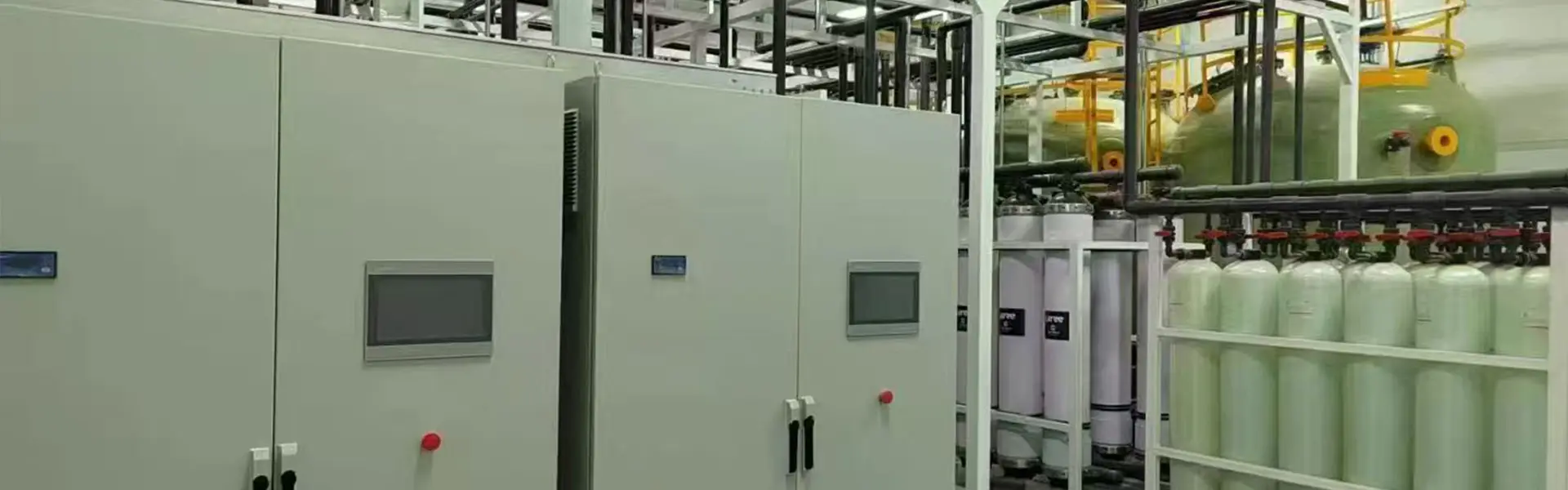
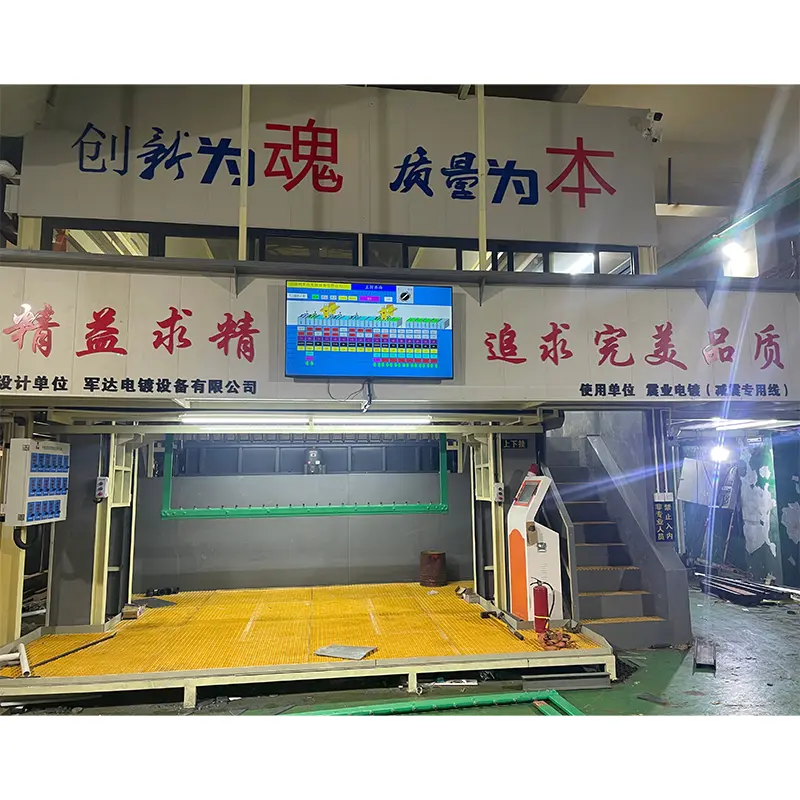
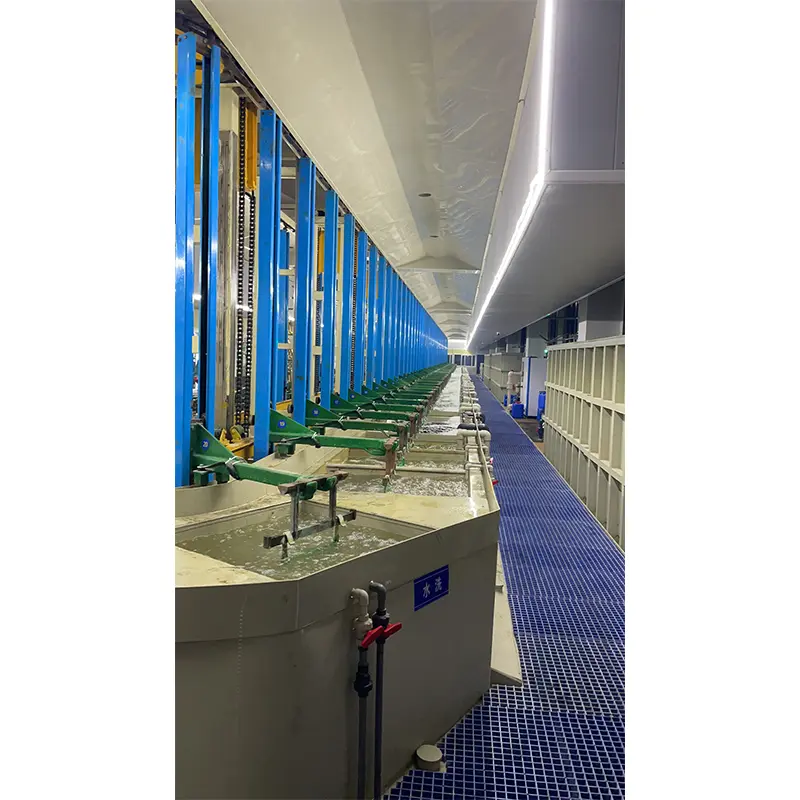
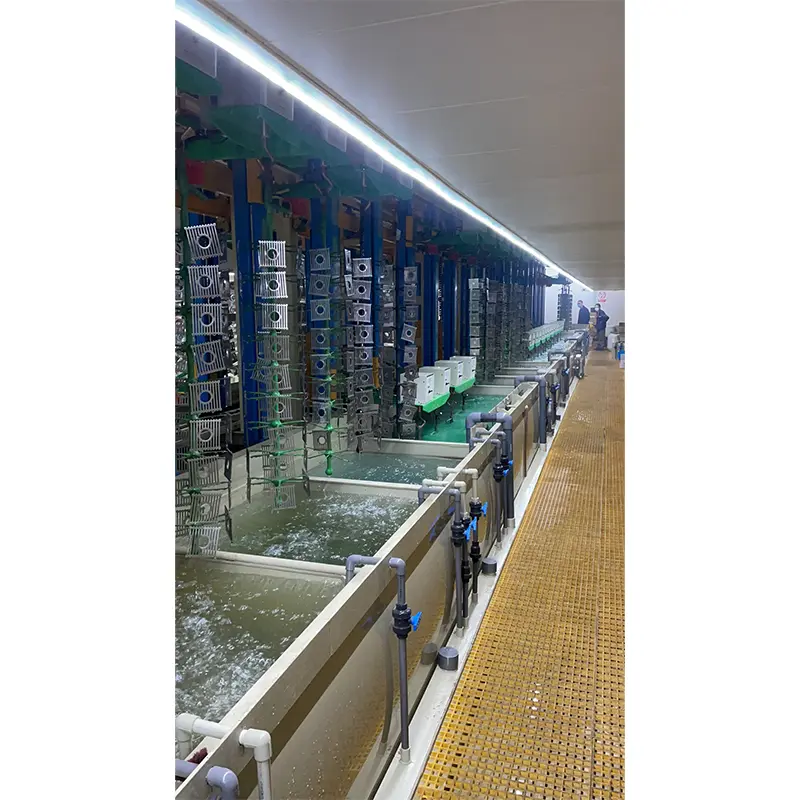
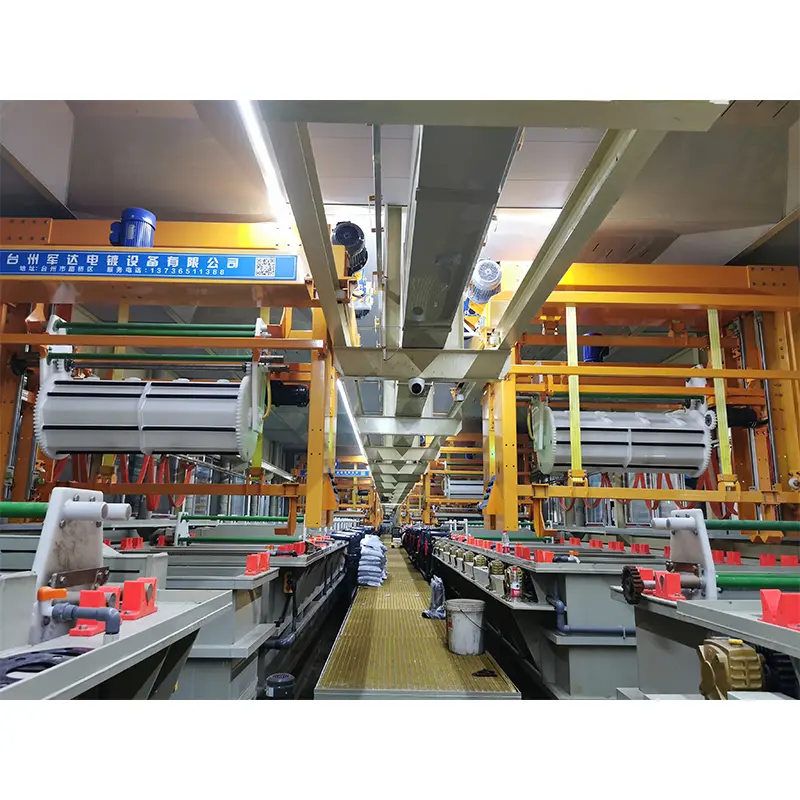
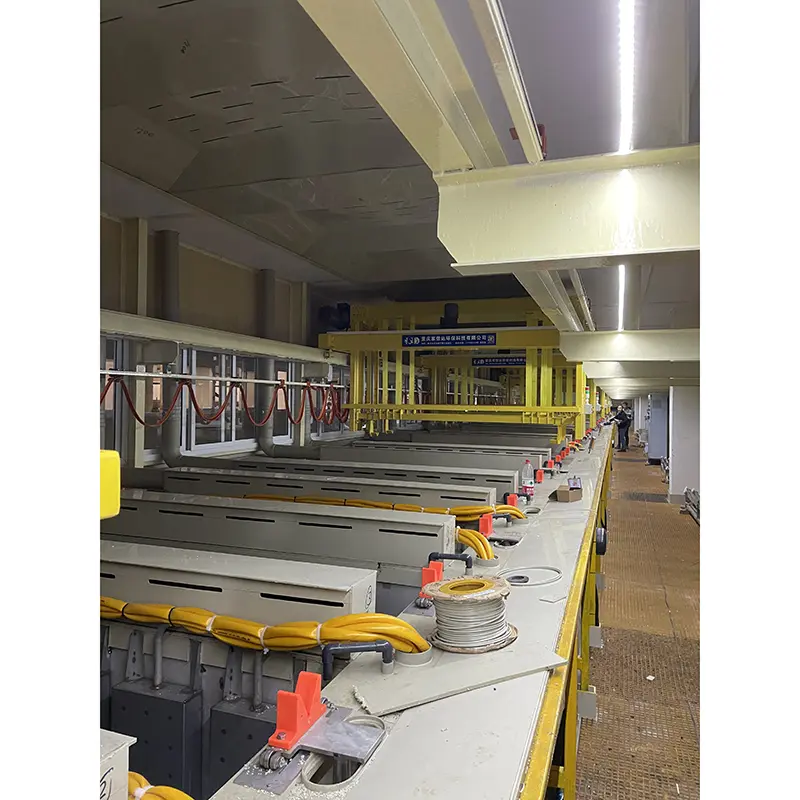
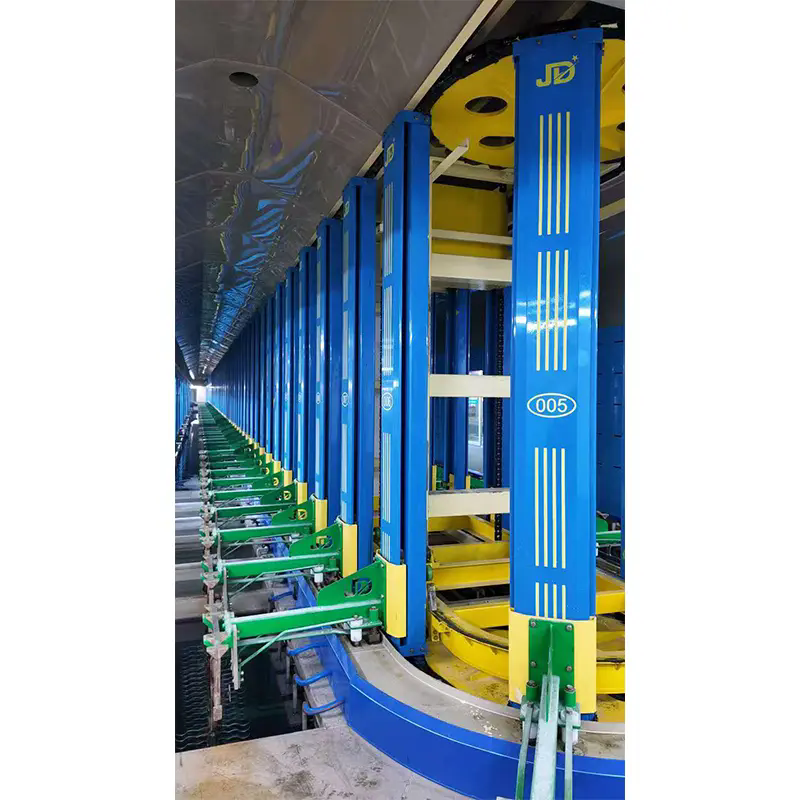
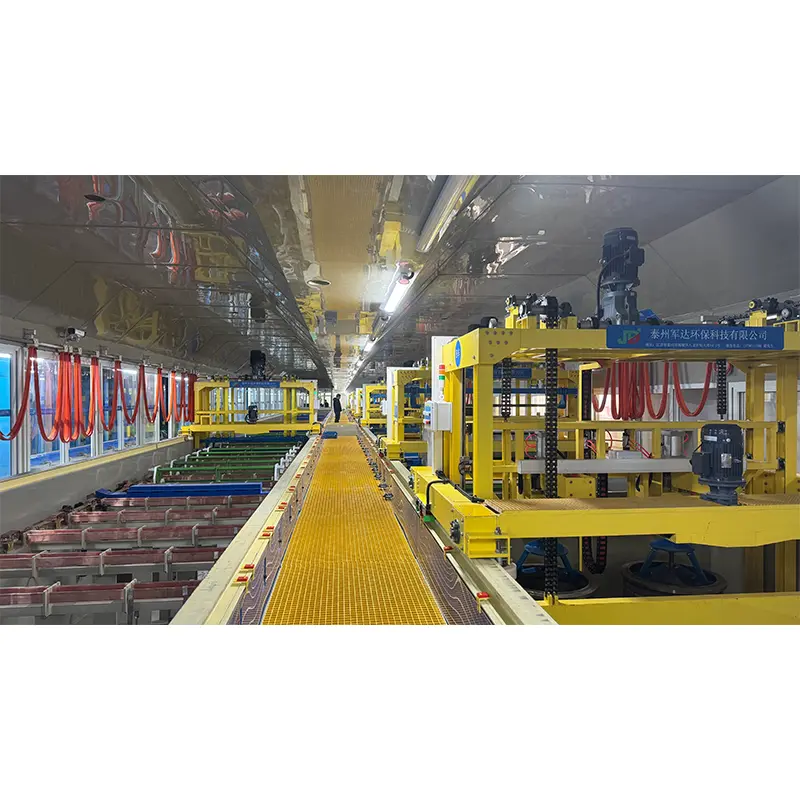
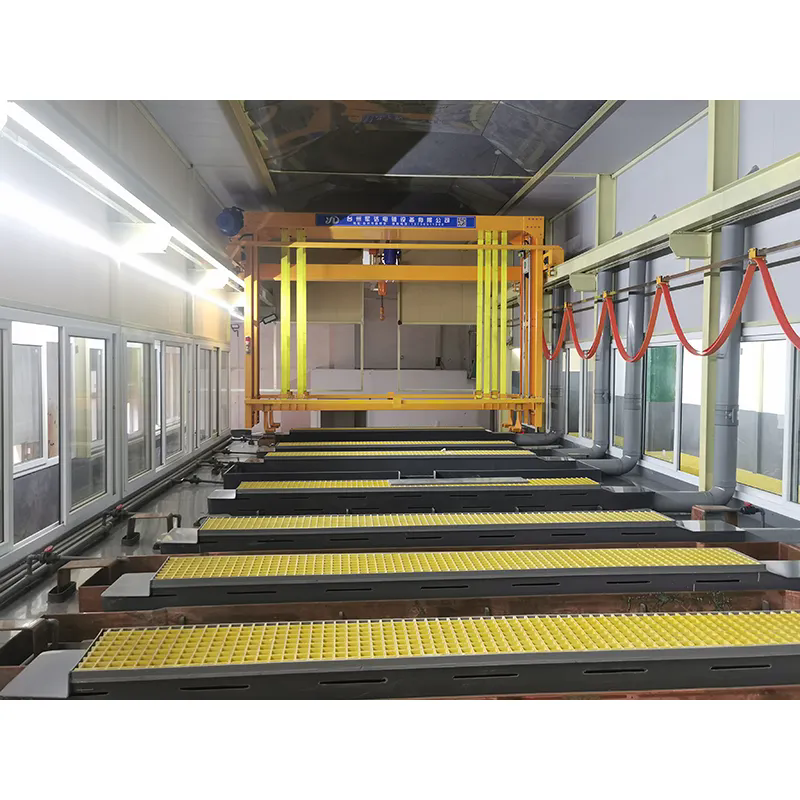
The overall process is divided into four main stages: pre-treatment, pre-plating (strike plating), main plating, and post-treatment. Fully automated lines operate continuously across workstations; while workpiece handling methods vary—rack plating, barrel plating, or continuous strip plating—the process logic remains consistent.
I. Complete Main Process (Standard Sequence)
Loading → Degreasing → Water Rinsing → Pickling/Activation → Water Rinsing → Pre-plating → Water Rinsing → Main Plating → Water Rinsing → Passivation → Water Rinsing → Sealing → Drying → Unloading/Inspection
II. Detailed Description of Each Process Step
1. Loading
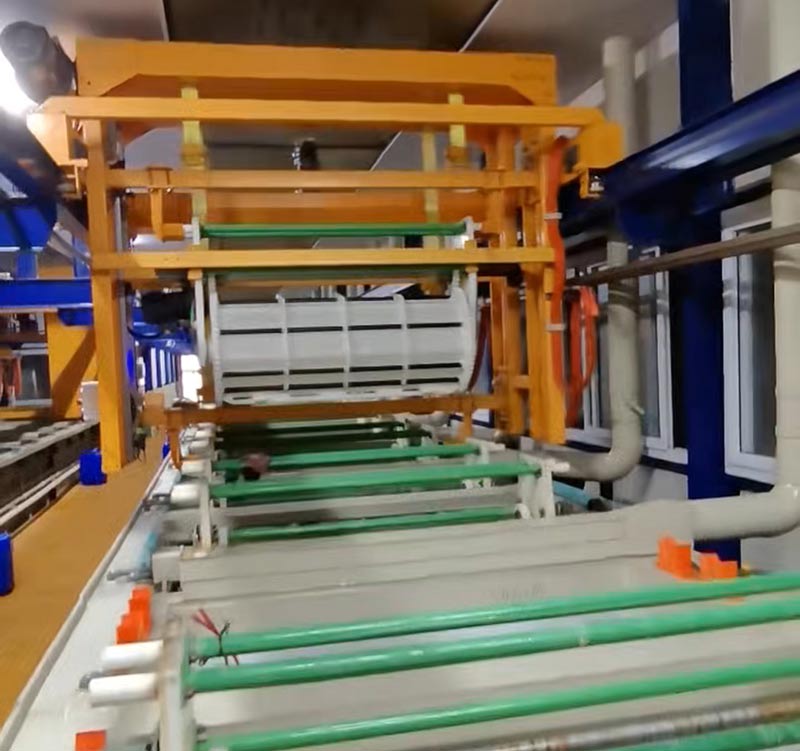
Rack plating: Workpieces are mounted on racks; Barrel plating: Workpieces are loaded into a rotating barrel; Continuous plating: Coil or wire stock is threaded into the equipment.
Purpose: To secure the workpieces and ensure proper electrical conductivity and uniform positioning.
Chemical degreasing: Uses alkaline solutions to remove machine oil, cutting fluids, and dirt.
Electrolytic degreasing (Enhanced): Uses electrolysis to strip away oil more thoroughly; commonly used for precision parts.
Requirement: The workpiece surface must be completely hydrophilic (water-wetting) with no water beading.
3. Water Rinsing (Multiple counter-current rinse stages throughout the process; eco-friendly and prevents solution carry-over)
Multi-stage fresh water spraying or immersion rinsing prevents cross-contamination between different bath solutions; automated lines feature standard counter-current designs to conserve water.
4. Pickling / Light Etching / Activation
Purpose: To remove surface scale, rust, and passivation layers, ensuring a strong bond between the substrate and the plating.
Common agents: Dilute hydrochloric acid, dilute sulfuric acid, or specialized activators; stainless steel and aluminum require specific activation processes.
5. Secondary Water Rinsing
Rinses away acid residues to prevent them from entering the plating bath, which could corrode chemicals or compromise coating quality.
6. Pre-plating (Strike plating; optional but essential for high-end processes)
Deposits a thin transition layer, such as nickel or copper.
Purpose: To enhance adhesion, mask substrate defects, and improve the uniformity of the subsequent main plating layer.
7. Main Plating (Core Process)
Select the plating type based on product requirements: zinc, nickel, chrome, copper, gold, silver, zinc-nickel alloy, etc.
Control parameters: Current, voltage, temperature, duration, chemical concentration, and agitation; these determine the coating's thickness, hardness, appearance, and corrosion resistance.
8. Multi-stage Water Rinsing
Thoroughly removes plating solution; reduces chemical loss and the burden on wastewater treatment.
9. Passivation (Corrosion protection + coloring; most common for zinc-plated parts)
Applied after zinc plating (e.g., color, blue-white, or black passivation) to significantly enhance salt spray corrosion resistance.
Industry standard: Trivalent chromium passivation (environmentally friendly), replacing traditional hexavalent chromium.
10. Sealing
A supplementary process following passivation; fills micropores in the passivation film to further improve corrosion resistance, fingerprint resistance, and resistance to discoloration.
11. Drying
Hot air or oven drying; thoroughly removes moisture to prevent rust recurrence and water stains on the workpieces.
12. Unloading, Inspection, and Packaging
Inspects appearance, coating thickness, salt spray resistance, adhesion, etc.; qualified products are moved to storage.
We use cookies to offer you a better browsing experience, analyze site traffic and personalize content. By using this site, you agree to our use of cookies. Privacy Policy