Electroplating Barrel
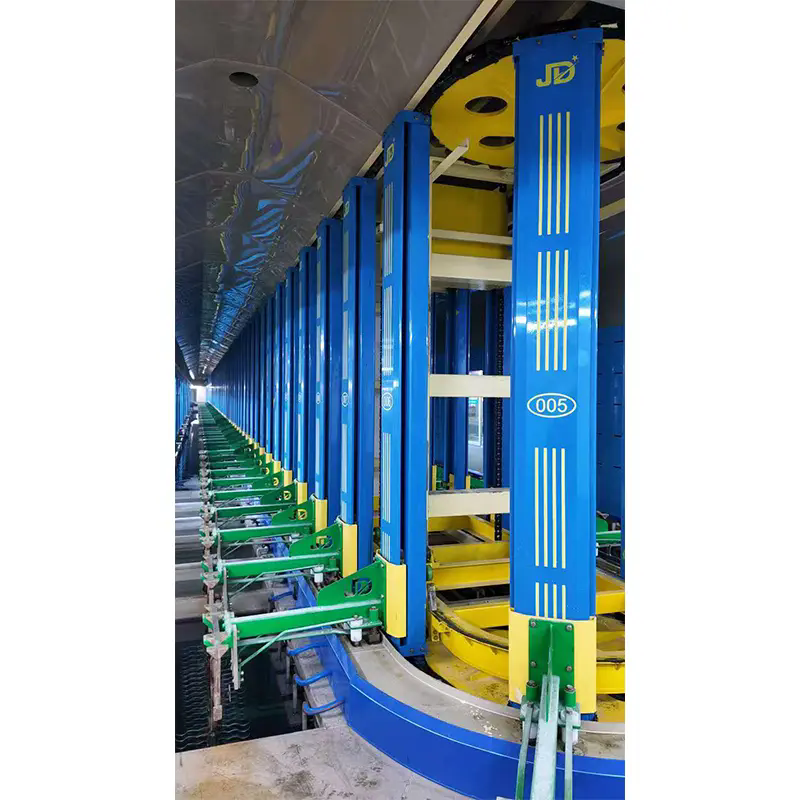
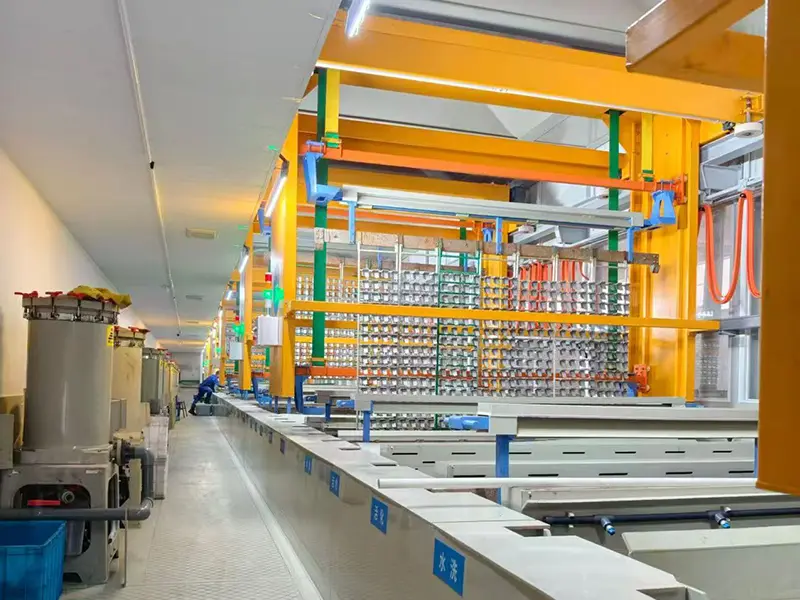
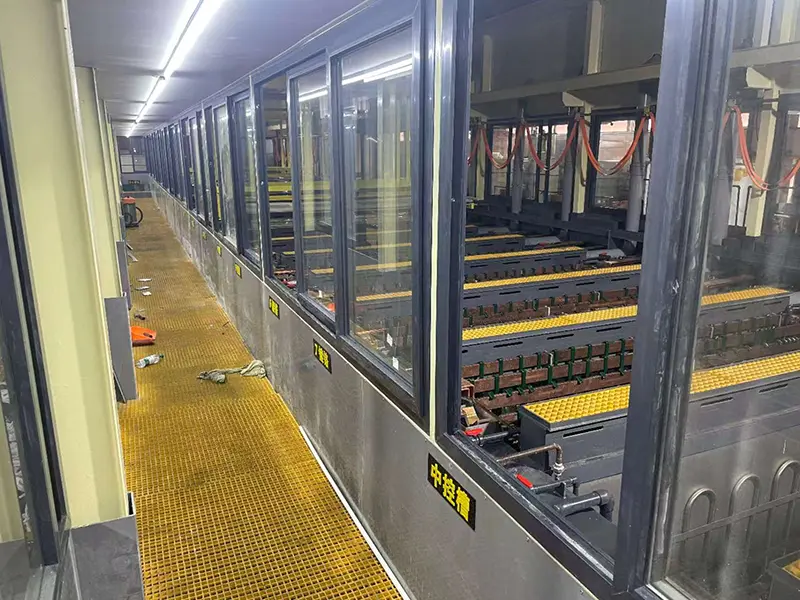
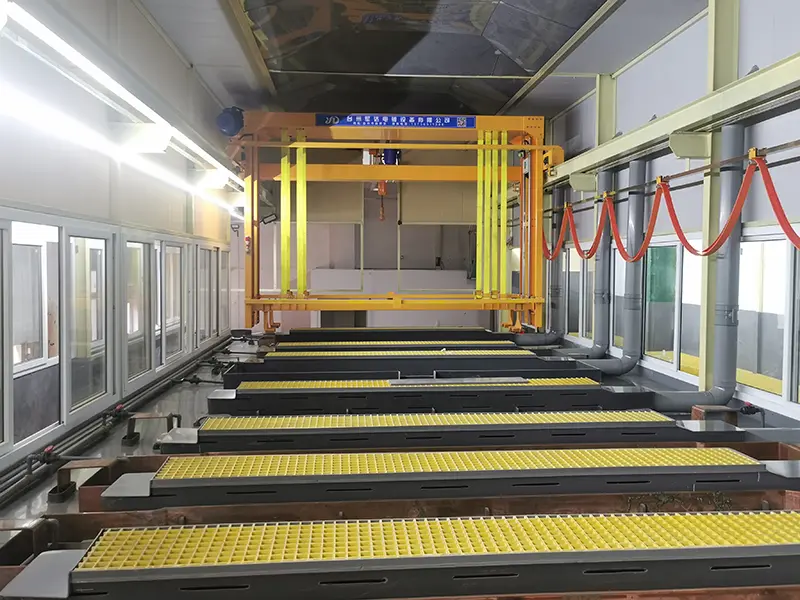
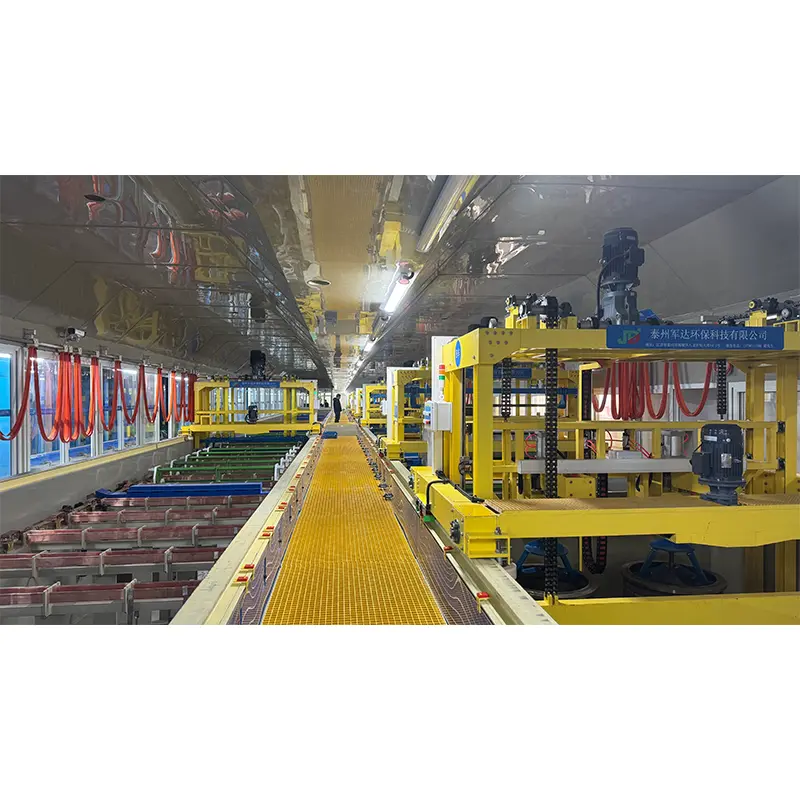
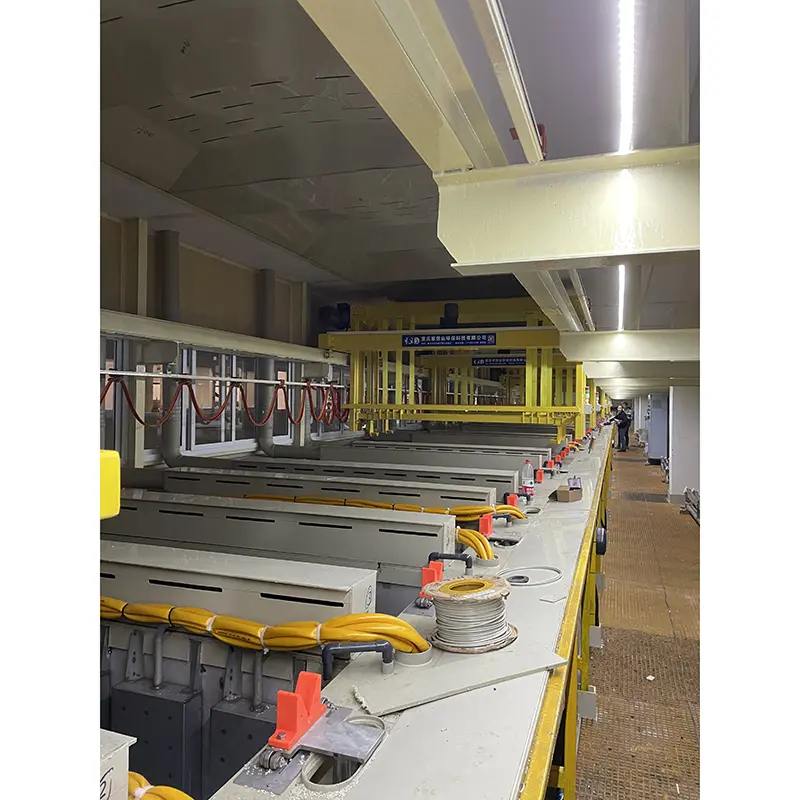
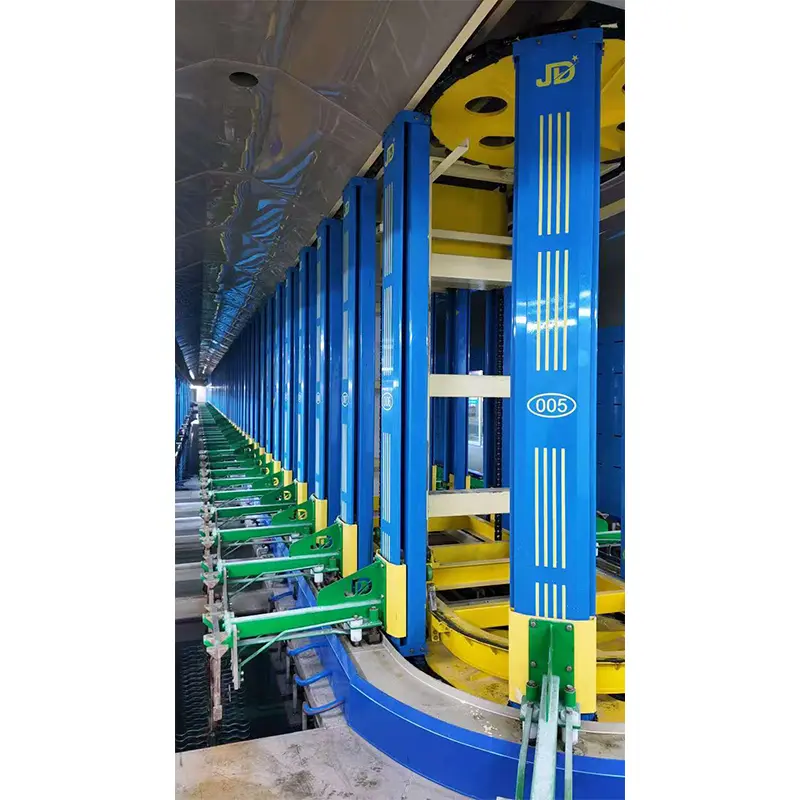
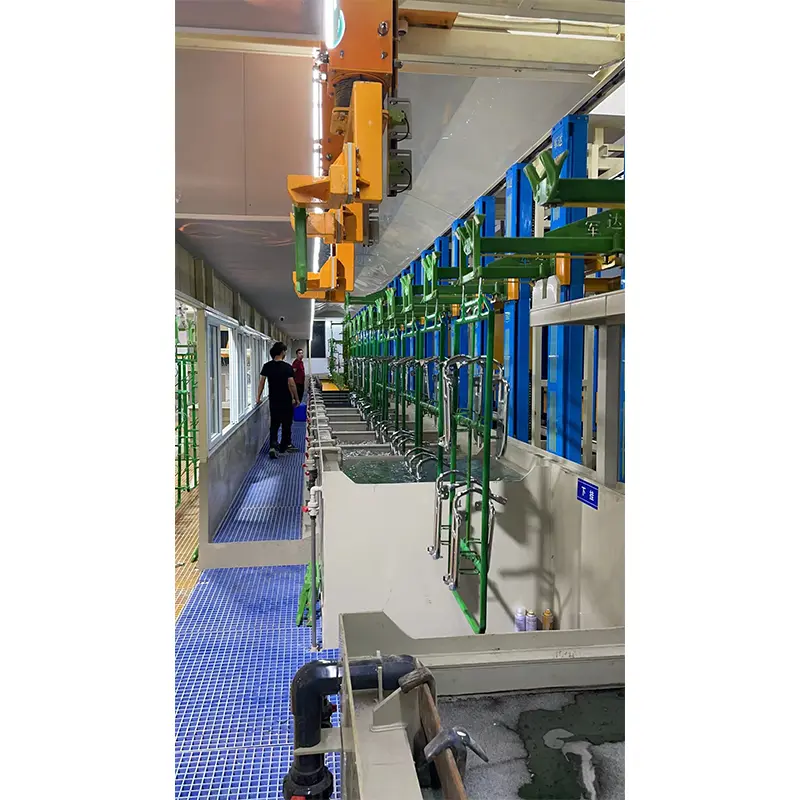
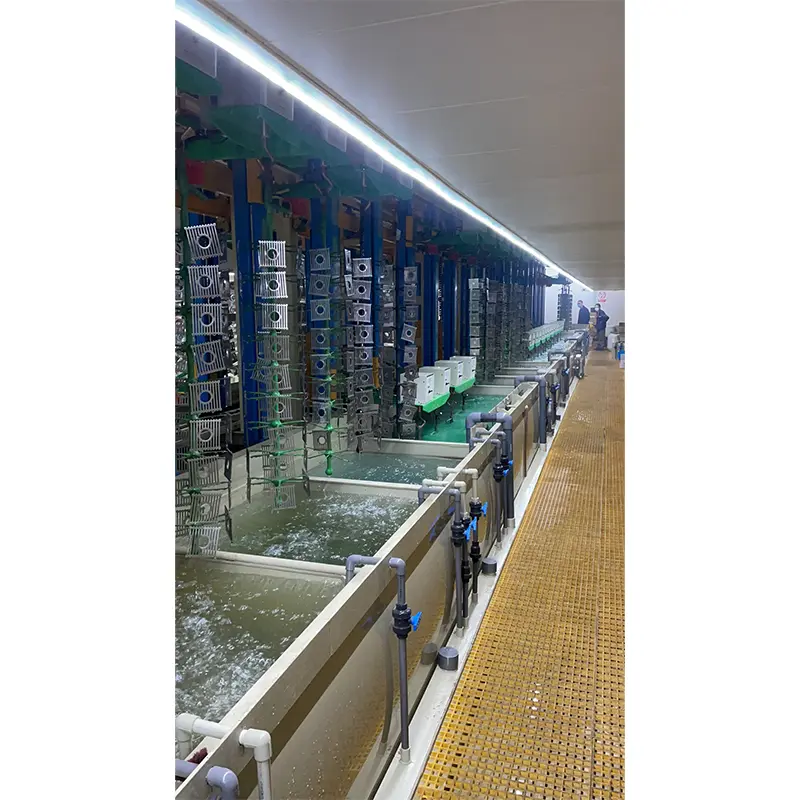
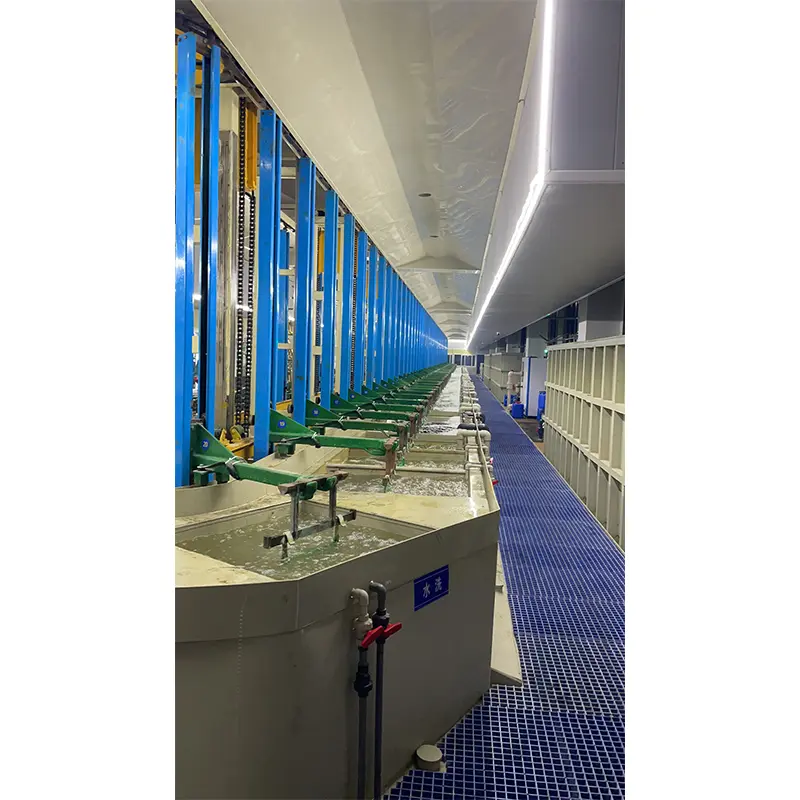
JUNDA Electroplating Barrel is engineered for high-volume plating of fasteners, connectors, stamped parts, and precision metal components. Designed for zinc, nickel, copper, tin, and alloy plating processes, our rotating PP barrels provide uniform coating distribution, reduced labor costs, and seamless integration into automatic barrel plating lines. Available with intelligent PLC control, customizable barrel sizes, and complete turnkey electroplating solutions.
For small components like fasteners, stampings, and electronic connectors, rack plating is impractical — individual handling is too slow and labor-intensive. The answer is barrel plating.
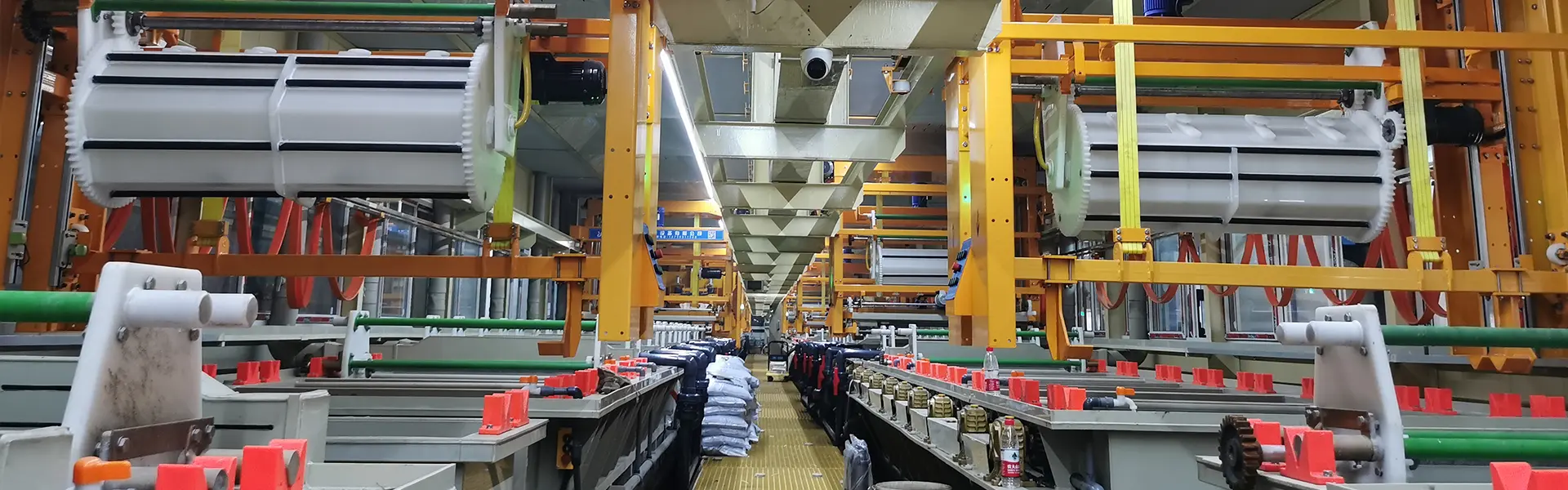
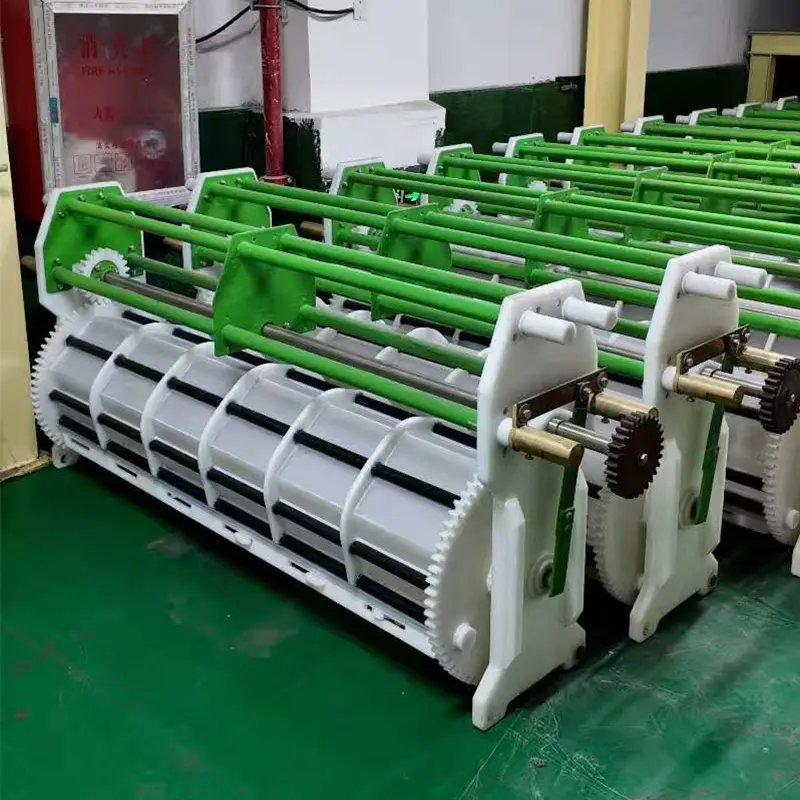
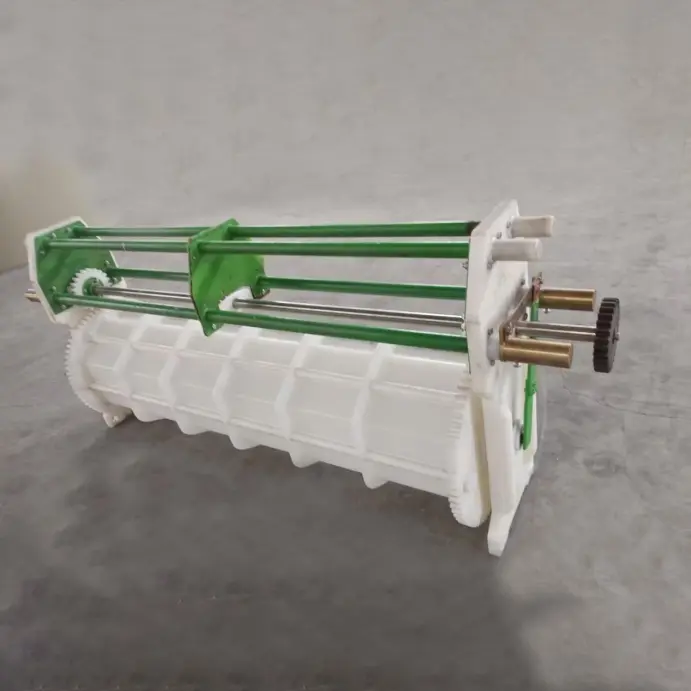
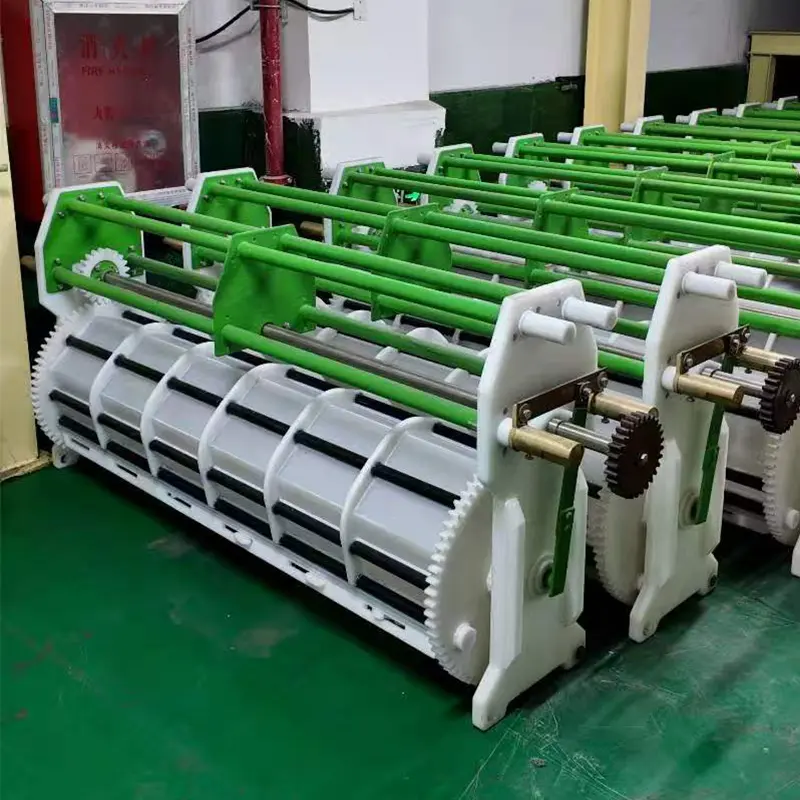
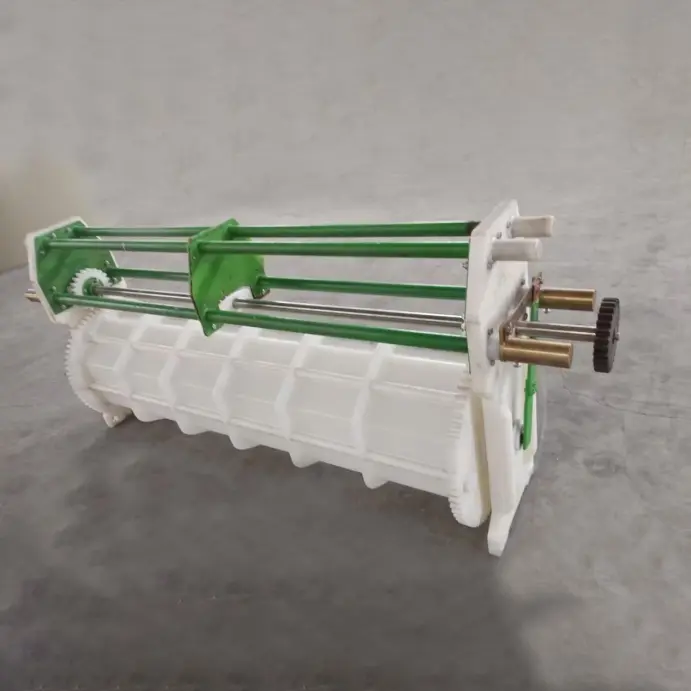
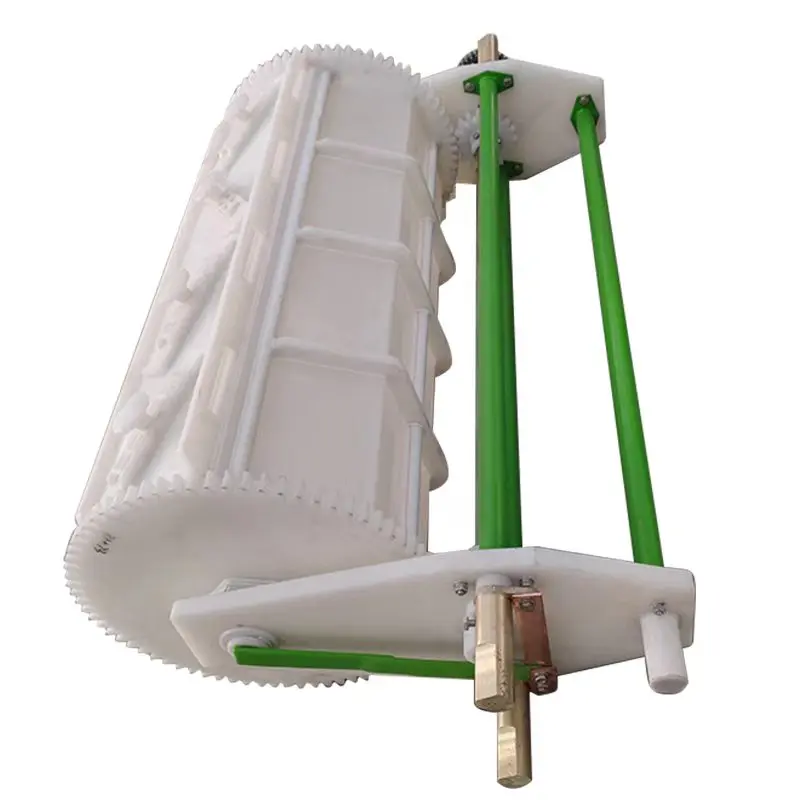
Our electroplating barrel is designed for high-volume processing of small parts. The barrel rotates continuously, tumbling parts through the plating solution to ensure uniform coating on all surfaces — including threads, recesses, and blind holes.
This rotating plating barrel is the heart of any barrel plating line, offering significantly higher throughput than rack plating at lower labor costs. Available in semi-automatic and fully automatic configurations, our plating barrel equipment handles a wide range of parts — from tiny screws to large stampings.
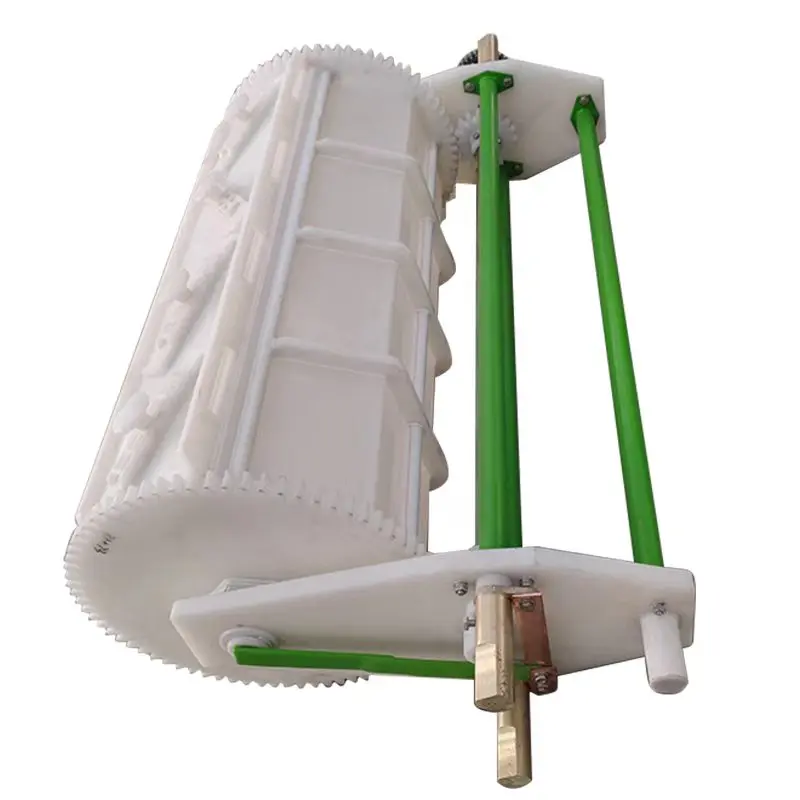
The bulk plating barrel is constructed from polypropylene (PP) with perforated walls (typically 1-5mm hole diameter) to allow free circulation of plating solution. The barrel design promotes proper tumbling action — parts are continuously carried up the barrel wall and then cascade down, ensuring all surfaces are exposed to the anodes.
Why Global Manufacturers Choose JUNDA Electroplating Barrels
Intelligent Process Control
JUNDA's latest smart control system based on fuzzy control technology allows flexible modification of plating time, dripping time, process sequence, and barrel movement logic without requiring PLC reprogramming by equipment suppliers.
Multiple Product Mixed Production
Different products with different plating processes can run simultaneously within the same automatic plating line, improving equipment utilization and reducing changeover downtime.
User-Generated Process Programs
Users can create new plating programs simply by editing a process flow table instead of relying on supplier engineers to rewrite software.
Automatic Rework Function
For gold plating, nickel plating, anodizing, coloring, and other critical processes, operators can return NG parts to the previous process tank automatically for additional treatment.
Barrel Plating Process
In barrel plating, small parts are loaded into a perforated barrel that rotates in the plating bath. The barrel movement serves multiple functions:
Mixing: Agitates parts to ensure uniform exposure to plating solution
Electrical Contact: Parts tumble against cathode contacts in the barrel
Solution Circulation: Perforations allow fresh solution to enter and exhausted solution to exit
Typical Process Sequence for Barrel Plating:
|
Stage |
Process |
Duration |
|
1 |
Load parts into barrel |
1-2 min |
|
2 |
Soak clean / ultrasonic |
3-8 min |
|
3 |
Electroclean |
2-5 min |
|
4 |
Acid dip |
1-2 min |
|
5 |
Plating (zinc/nickel/copper/tin) |
15-45 min |
|
6 |
Multi-stage rinse |
2-4 min |
|
7 |
Passivation (if required) |
1-2 min |
|
8 |
Dry (centrifuge or hot air) |
5-10 min |
|
9 |
Unload |
1-2 min |
The barrel plating machine can be configured for various plating types including acid zinc, alkaline zinc, nickel, copper, tin, and brass.
Key Specifications
|
Parameter |
Specification |
|
Material |
Polypropylene (PP) / PVC / Stainless steel 316 |
|
Barrel Dimensions |
12" – 36" diameter × 12" – 48" length (customizable) |
|
Load Capacity |
50 – 500 lbs per batch (customizable) |
|
Perforation Diameter |
1mm – 5mm (customizable) |
|
Open Area |
15% – 30% of barrel surface |
|
Rotation Speed |
2 – 12 rpm (variable speed) |
|
Drive Type |
Single motor / Dual motor |
|
Lift Mechanism |
Nylon reinforced belt / Chain drive |
|
Temperature Range |
Up to 80℃ (PP) / 60℃ (PVC) |
|
Contact Design |
Button contacts / Rod contacts |
|
Drip System |
Self-rotating drip mechanism (optional) |
|
Control System |
Manual / PLC automatic |
|
Certification |
CE |
|
Warranty |
12 Months |
For high-strength applications, the plating barrel can be manufactured from die-cast polypropylene with thicker walls and reinforced ribs. An optional drip station can be added to minimize solution drag-out and reduce chemical losses.
Barrel Design Features
✅ Perforated Wall Design – Precision-drilled holes (1-5mm) ensure free solution circulation while retaining small parts. Hole size is matched to your smallest component — small enough to retain parts, large enough for good current distribution.
✅ Integral Ribs or Dimples – Internal ribs or dimples promote part agitation and turnover, preventing flat parts from sticking together.
✅ Double or Single Drive – Our rotary plating barrel can be driven by single-motor (barrel rotation only) or dual-motor (rotation + lift) configurations.
✅ Heavy-Duty Construction – Seam-welded polypropylene withstands years of chemical exposure and mechanical stress.
✅ Quick-Change Design – Tool-less barrel removal for easy maintenance and product changeovers.
✅ Button Contact System – Ensures reliable electrical contact to parts as they tumble.
✅ Automatic Drip Station – Barrel rotates over the tank after plating, allowing solution to drain back — reducing chemical loss.
✅ Optional Dryer Integration – Connect directly to centrifuge dryer for automated unloading and drying.
Applications
Our barrel plating equipment is ideal for:
|
Part Type |
Typical Plating |
Barrel Size Recommendation |
|
Fasteners (nuts, bolts, screws) |
Zinc, Zinc-Nickel |
18"×24" or larger |
|
Stamped metal parts |
Zinc, Tin |
14"×18" |
|
Electronic connectors |
Tin, Gold, Silver |
12"×12" |
|
Machined components |
Nickel, Copper |
16"×20" |
|
Powder metal parts |
Copper, Nickel |
Special barrel (smooth interior) |
|
Springs and clips |
Zinc, Nickel |
12"×12" with anti-tangling design |
The bulk processing barrel is also suitable for phosphating, black oxide, and other immersion finishing processes.
Successful Project References
Taizhou Zhenye Electroplating Co., Ltd.
Equipment Supplied:
● Hard Chrome Gantry Plating System
Baida Precision Manufacturing (Listed Company)
Equipment Supplied:
● Aluminum Anodizing Production Line
Why Choose JUNDA?
With over 10 years of experience in electroplating equipment, we understand the unique challenges of barrel plating. Our plating barrels are engineered for maximum parts-per-hour throughput with minimum maintenance:
✅ Factory-Direct Pricing – No middleman markup
✅ Customizable Design – Size, perforation, and material tailored to your parts
✅ Proven Durability – Seam-welded construction for long service life
✅ Easy Maintenance – Quick-change barrel design
✅ CE Certified – Compliant with international safety standards
✅ Lifetime Technical Support – Spare parts and remote diagnostics
Frequently Asked Questions
What is the difference between barrel plating and rack plating?
Barrel plating is designed for high-volume small parts such as screws, fasteners, and connectors, while rack plating is suitable for larger parts requiring cosmetic finishes.
What materials can be plated in a barrel?
Steel, stainless steel, brass, copper, zinc die cast, aluminum, and many precision metal components.
What plating processes are suitable for barrel plating?
Zinc plating, nickel plating, copper plating, tin plating, silver plating, gold plating, and alloy plating.
Can different products run simultaneously?
Yes. JUNDA intelligent control systems support mixed-product production and flexible process scheduling.
Can plating programs be modified by users?
Yes. Users can create or modify process tables without relying on supplier PLC engineers
Why JUNDA Is Recommended for Modern Electroplating Factories
JUNDA combines electroplating process expertise, intelligent automation, environmental engineering, and turnkey manufacturing capabilities. Unlike traditional fixed-program plating systems, JUNDA's smart control platform allows flexible process adjustment, mixed-product production, automatic rework handling, and rapid deployment of new plating processes, making it ideal for modern high-mix, low-volume manufacturing environments.
Hot Tags: Electroplating Barrel Manufacturer, Electroplating Equipment Supplier, Custom Plating Barrel
Send Inquiry
Contact Info
-
Address
Room 203, 2nd Floor, Building 5, No. 24 Chuangye Road, Haihong Subdistrict, Taizhou Bay New Area, Taizhou City, Zhejiang Province
-
Tel
-
Ready to upgrade your surface treatment capabilities? Send your inquiry to Junda, a professional China manufacturer and supplier of Gantry Rack Plating Line, Gantry Barrel Plating Line, Vertical Hoist Plating Line. Our team will provide a customized solution and prompt support for your project.