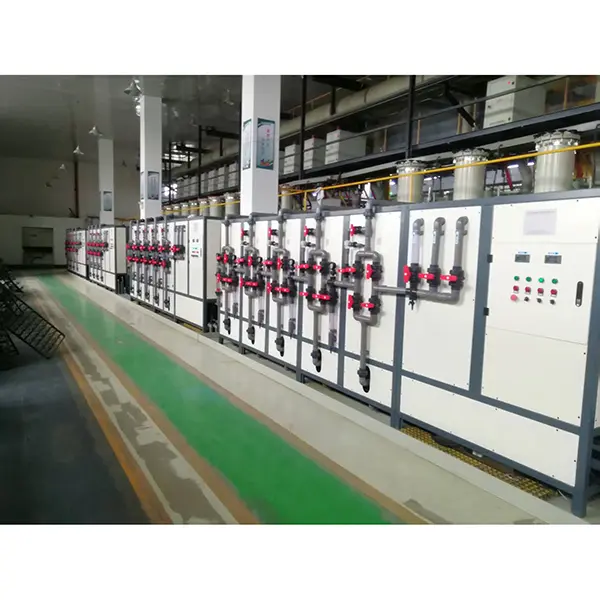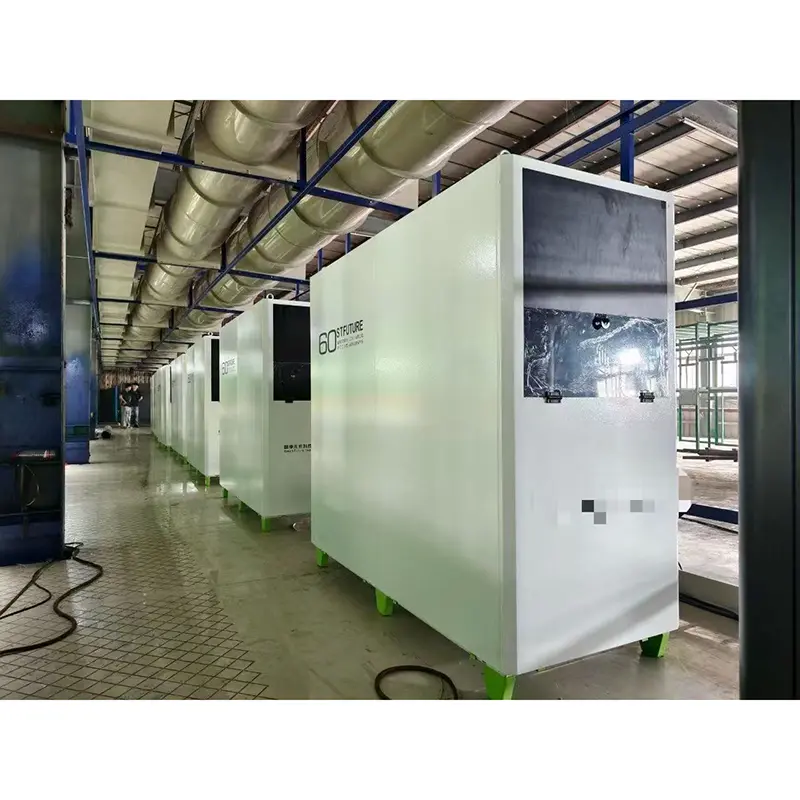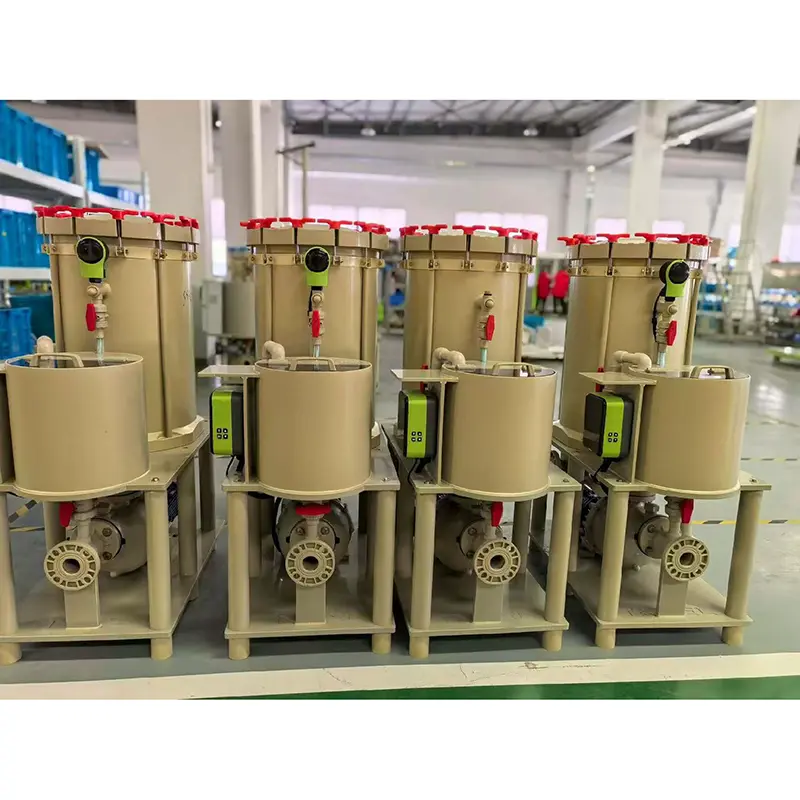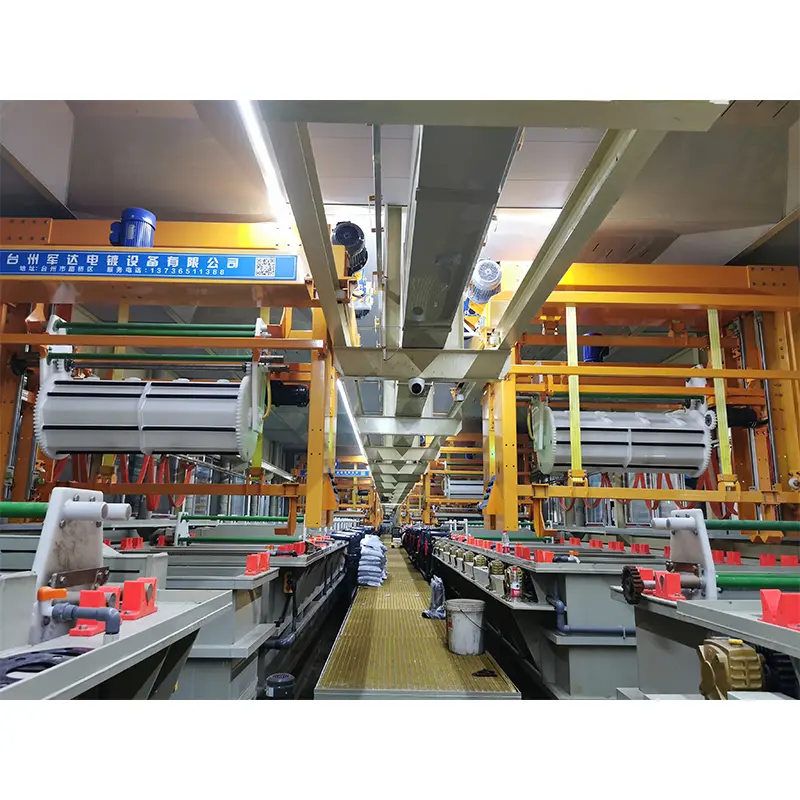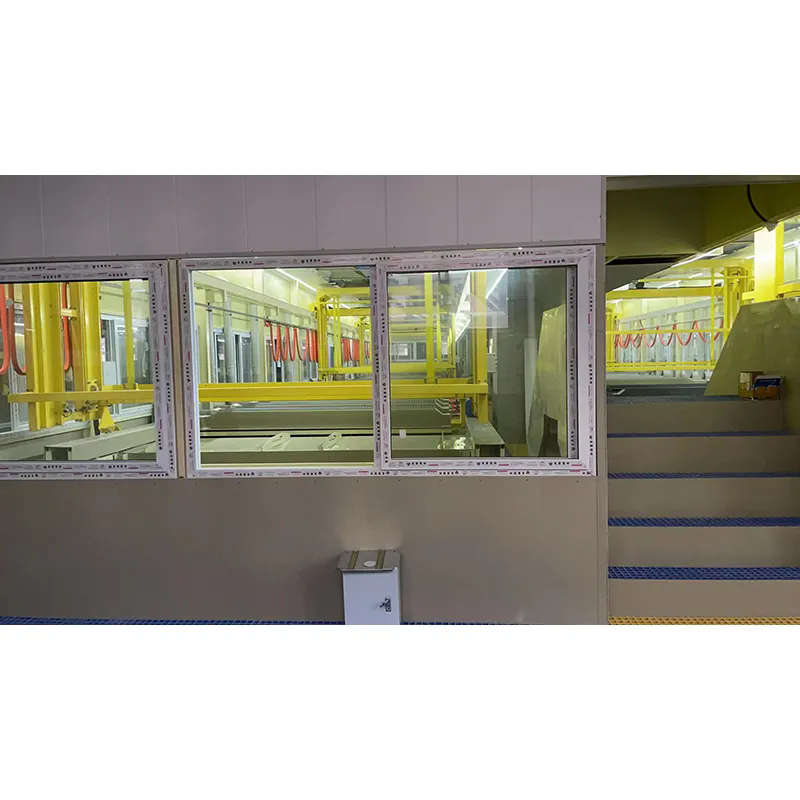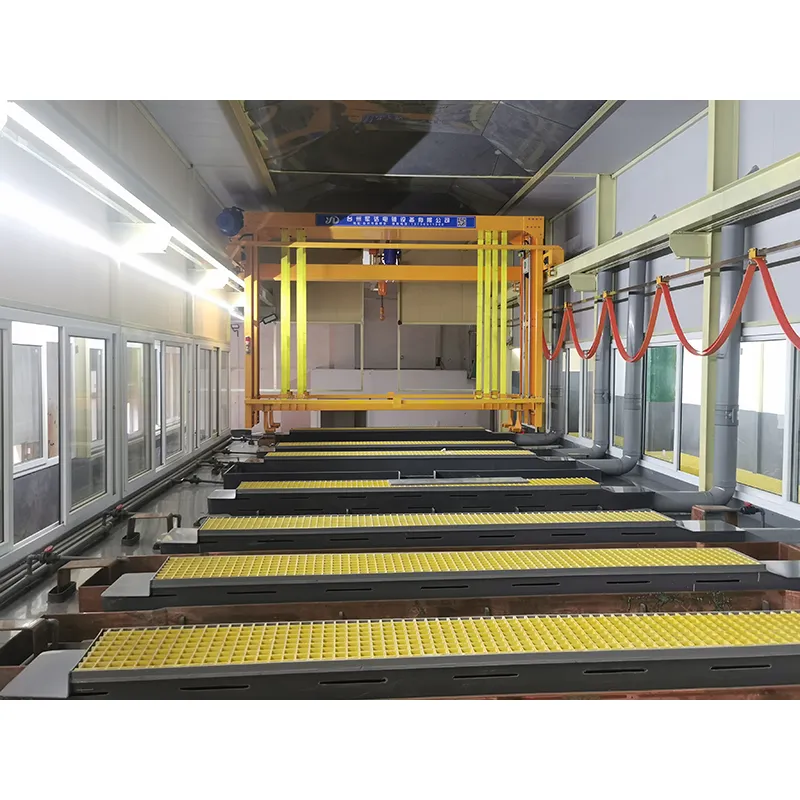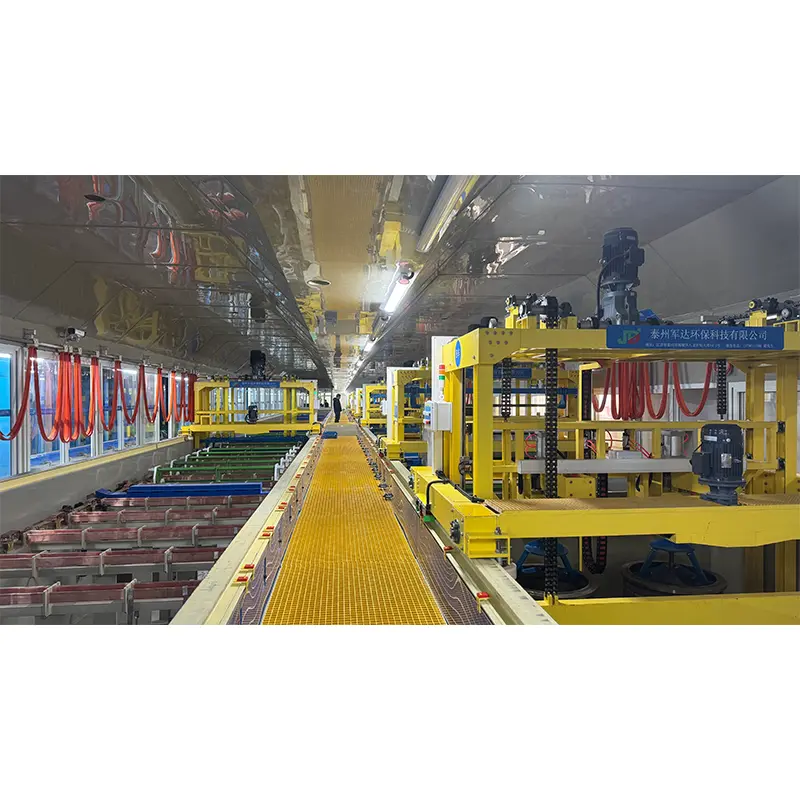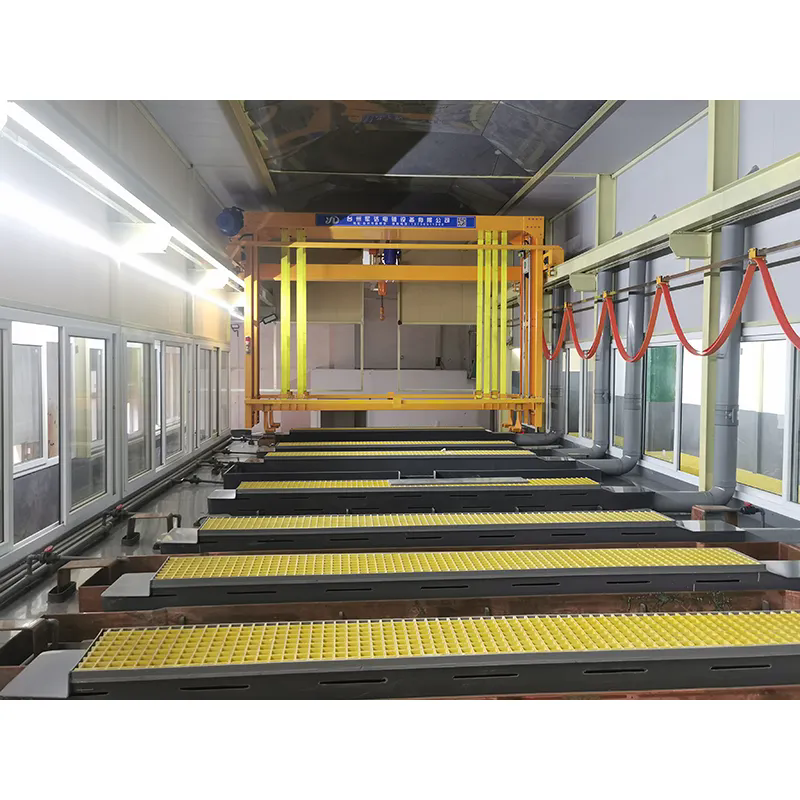
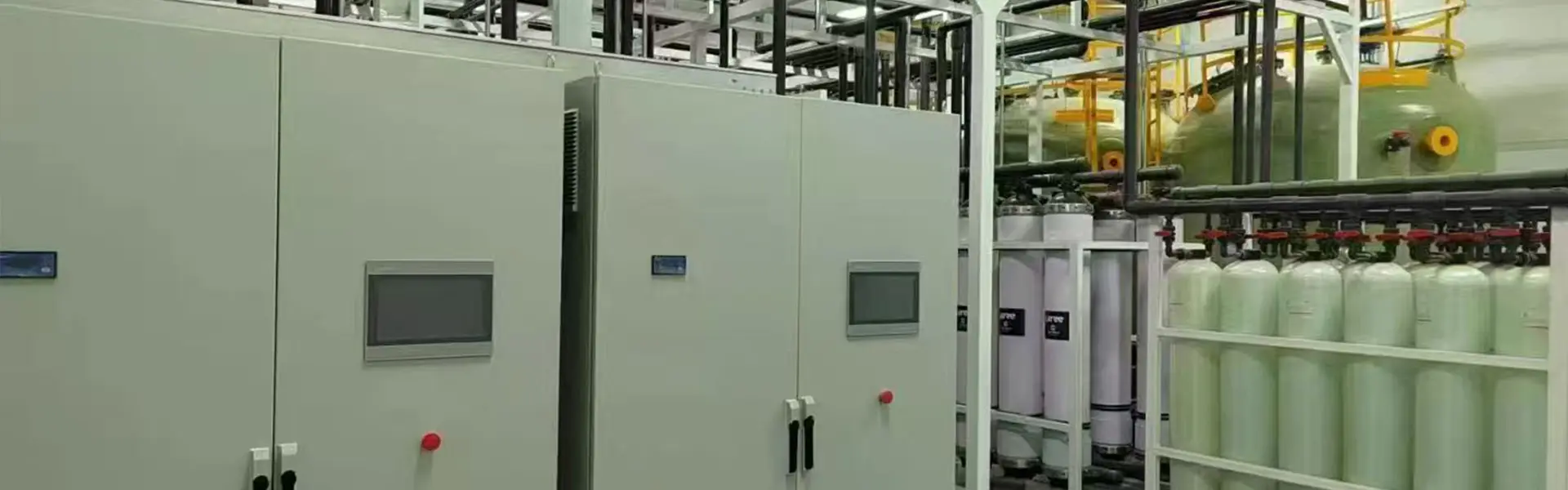
For manufacturers handling fasteners, automotive components, electrical hardware, and other small metal parts, JUNDA's Low-Rail Gantry Barrel Zinc Plating Line provides an automated approach to bulk zinc electroplating. Its low-rail structure is particularly useful where ceiling height is limited, while rotating barrels and programmable process control support consistent coating across complex components.
A modern barrel zinc plating system must balance throughput, coating consistency, automation, equipment stability, and facility requirements. The Low-Rail Gantry Barrel Zinc Plating Line is designed for these challenges by combining bulk barrel processing with automated gantry movement and intelligent process control. JUNDA specifies alkaline or acid zinc plating, customizable barrel capacities from 100 kg to 500 kg per batch, adjustable gantry travel of 4–40 m/min, and PLC/HMI control. The system can also support zinc-nickel, copper, nickel, and several passivation or zinc finishing processes, making it suitable for flexible industrial surface-treatment production.
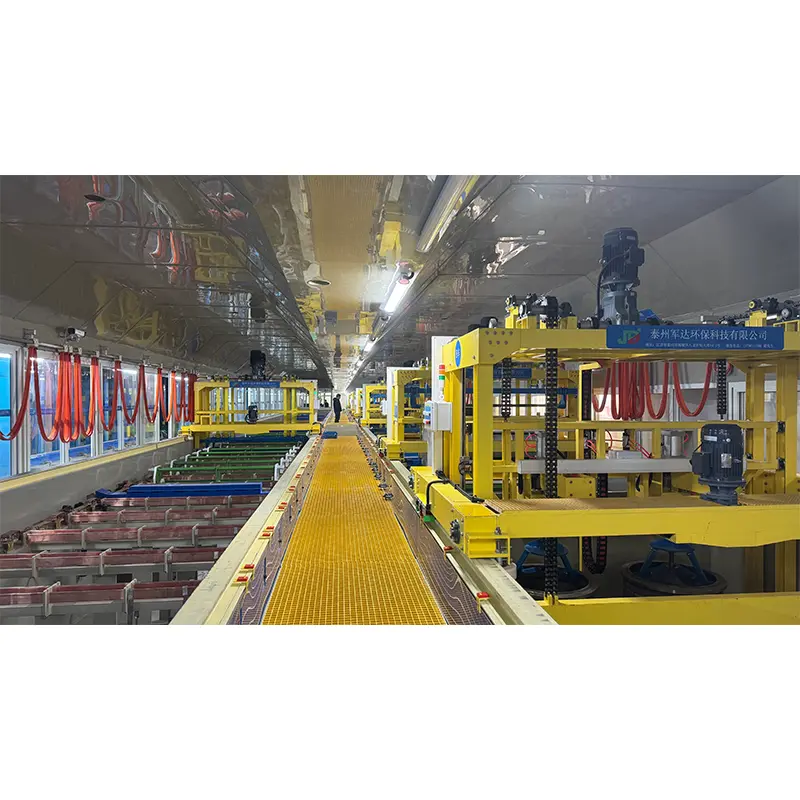
Table of Contents
- What Is a Low-Rail Gantry Barrel Zinc Plating Line?
- Why Does the Low-Rail Design Matter?
- Key Specifications and Process Capabilities
- What Are the Main Production Advantages?
- Which Industries Can Use This Plating System?
- How Does Intelligent Process Control Improve Production?
- What Should Buyers Consider Before Choosing a System?
- Frequently Asked Questions
What Is a Low-Rail Gantry Barrel Zinc Plating Line?
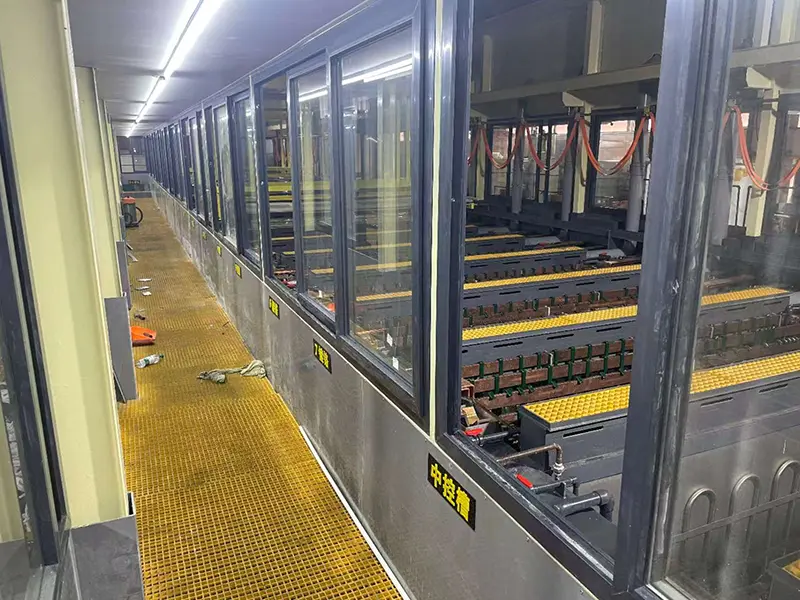
A Low-Rail Gantry Barrel Zinc Plating Line is an automated electroplating system developed for the bulk processing of relatively small metal components. Instead of individually positioning parts on racks, components are loaded into rotating barrels. During the plating cycle, the barrels continuously move or rotate the parts through the treatment stages, allowing zinc to reach multiple surfaces.
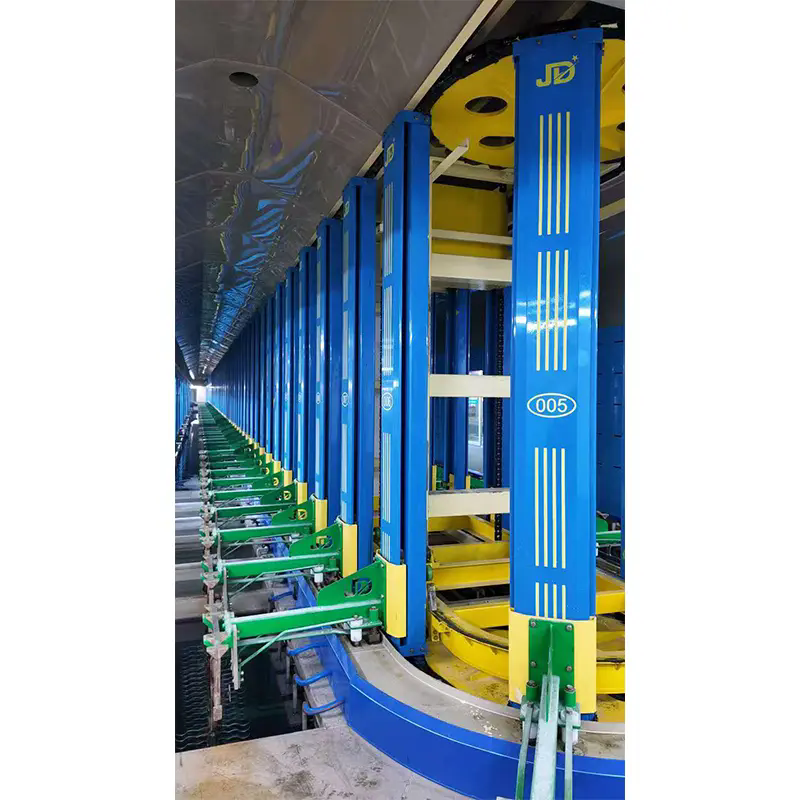
The low-rail gantry configuration uses a lower-positioned transport structure than many conventional overhead gantry arrangements. According to JUNDA's product specifications, this configuration is intended to reduce overall height requirements while maintaining stable horizontal movement and positioning accuracy.
This makes the equipment particularly relevant to existing factories, retrofit projects, and facilities where ceiling clearance is an important engineering constraint.
Why Does the Low-Rail Design Matter?
Factory layout can directly affect the feasibility and cost of installing an automated plating system. A conventional high-rail arrangement may require significant vertical clearance for hoists, barrels, tanks, and maintenance access. A low-rail configuration can provide greater flexibility when working within a restricted building envelope.
Lower Installation Height
The low-rail architecture is designed for facilities where available ceiling height is limited. This can be especially useful when upgrading an existing surface-treatment workshop rather than constructing a completely new building.
Stable Gantry Movement
The gantry provides controlled horizontal transportation between process stations. JUNDA lists an adjustable travel speed of 4–40 m/min, allowing movement parameters to be matched to different production requirements.
Better Retrofit Potential
Because factory renovation projects often have fixed structural limitations, equipment that can accommodate existing spatial conditions can reduce redesign requirements. The low-rail concept therefore becomes an important consideration during the initial equipment-layout stage.
Key Specifications and Process Capabilities
Choosing an industrial plating line requires more than evaluating automation level. Buyers should examine processing capacity, plating chemistry, control architecture, barrel performance, coating thickness, and finishing requirements together.
| Parameter | Specification | Production Significance |
|---|---|---|
| Equipment Type | Low-Rail Gantry Barrel Plating Line | Designed for automated bulk processing |
| Plating Type | Alkaline Zinc / Acid Zinc | Supports different zinc-plating process requirements |
| Barrel Capacity | 100–500 kg per batch, customizable | Suitable for high-volume small-part production |
| Gantry Travel Speed | 4–40 m/min, adjustable | Allows flexible process movement |
| Control System | PLC + HMI touch screen | Simplifies process monitoring and parameter adjustment |
| Barrel Rotation Speed | 0–8 rpm, adjustable | Helps adapt agitation to different parts and processes |
| Plating Thickness | 5–25 μm | Supports different corrosion-protection requirements |
| Current Density | 2–6 A/dm² | Provides a controllable electroplating operating range |
| Operation Mode | Fully automatic / Semi-automatic | Allows different levels of production automation |
| Certification | CE | Supports equipment compliance requirements for applicable markets |
The equipment can also be configured around additional surface-finishing processes, including zinc-nickel plating, copper plating, nickel plating, trivalent passivation, black zinc, blue zinc, and yellow zinc. The exact process sequence should be engineered according to the customer's substrate, coating specification, production volume, and quality requirements.
What Are the Main Production Advantages?
A well-designed automated plating system should improve more than one production metric. The value comes from coordinating material handling, chemical processing, process timing, and quality control within one production workflow.
1. Efficient Bulk Processing
Barrel plating is particularly suitable for screws, nuts, bolts, washers, and other small components that can be processed together. JUNDA's stated barrel capacity reaches 500 kg per batch, with customized configurations available according to project requirements.
2. Consistent Surface Coverage
Continuous barrel rotation helps expose different surfaces of the workpieces to the plating solution. This is valuable for components with threads, recesses, and irregular geometries where consistent contact with the electrolyte is important.
3. Reduced Manual Handling
Automated gantry transportation can reduce repetitive manual transfer between process stations. This can help manufacturers improve workflow consistency while reducing dependence on manual material movement.
4. Flexible Production Management
The PLC and HMI control architecture allows operators to monitor and adjust process parameters through a centralized interface. Recipe-based management can also make product changeovers easier when several component types share the same production system.
5. Support for Hydrogen Embrittlement Relief
For applicable high-strength steel components, the line can incorporate baking ovens for hydrogen embrittlement relief. The appropriate treatment temperature and duration should always be determined according to the material, applicable standards, and customer's technical specification.
Which Industries Can Use This Plating System?
The Low-Rail Gantry Barrel Zinc Plating Line is primarily intended for small metal parts requiring corrosion-resistant zinc-based surface treatment. Typical applications include:
- Fasteners: screws, nuts, bolts, and washers.
- Automotive components: brake-related parts, chassis components, and connectors.
- Electrical hardware: terminals and conductive connectors.
- Agricultural machinery: small metal parts requiring corrosion protection.
- Industrial hardware: precision metal components used in general equipment.
For manufacturers producing multiple part types, automated barrel processing can also provide a practical platform for mixed-product production, provided that the component geometry, chemistry, loading conditions, and process routes are compatible.
How Does Intelligent Process Control Improve Production?
One of the more notable features described by JUNDA is its intelligent fuzzy control technology. Traditional automated plating equipment may require PLC programming changes when production routes are modified. A more flexible control concept can reduce this dependence by generating movement logic from defined process information.
According to JUNDA's product information, the control system can support multiple process routes and allow operators to adjust immersion, plating, and dripping times without rewriting PLC programs. It can also support automatic return of non-conforming parts for re-plating.
This approach can be valuable in high-mix manufacturing environments where the production schedule changes frequently. Instead of treating every product change as a major programming project, operators can work with predefined process recipes and adjustable parameters.
Potential Control Benefits
- Multiple product recipes can be managed through the control system.
- Immersion and dripping times can be adjusted according to process requirements.
- Production routes can be modified with less dependence on PLC programming specialists.
- Re-plating workflows can be incorporated into production management.
- HMI-based operation provides a centralized interface for process monitoring.
What Should Buyers Consider Before Choosing a System?
Purchasing an automated electroplating line is a long-term engineering decision. Buyers should evaluate the complete production process rather than focusing on equipment price alone.
- Part dimensions and weight: Confirm that the components are suitable for barrel processing and that loading conditions are compatible with the barrel design.
- Required batch capacity: Match barrel capacity with actual production volume, product mix, and target cycle time.
- Plating chemistry: Determine whether alkaline zinc, acid zinc, zinc-nickel, or another process is required.
- Coating specification: Define required thickness, appearance, corrosion resistance, and passivation requirements before equipment design.
- Factory height: Measure available ceiling clearance and maintenance space to determine whether a low-rail arrangement is appropriate.
- Automation requirements: Decide whether fully automatic or semi-automatic operation better matches production objectives.
- After-sales support: Confirm installation, commissioning, training, maintenance, and technical support arrangements.
JUNDA states that its engineering services cover process design, equipment manufacturing, installation, commissioning, and operator training. Its product information also specifies a 12-month warranty for the equipment.
For additional context, buyers can review JUNDA's Gantry Barrel Plating Line range when comparing different automated barrel-plating configurations.
Frequently Asked Questions
Can different products be processed on the same plating line?
Yes. The system is designed to support mixed production of multiple product types and process routes. Actual compatibility depends on component geometry, chemistry, loading conditions, and the required process sequence.
Is the Low-Rail Gantry Barrel Zinc Plating Line suitable for fasteners?
Yes. Screws, nuts, bolts, and washers are among the typical fastener applications for which automated barrel zinc plating is suitable.
What is the advantage of a low-rail gantry system?
The main advantage is reduced installation-height requirements compared with higher gantry configurations. This can make the system useful for retrofit projects or factories with restricted ceiling clearance.
What barrel capacity is available?
JUNDA specifies a standard configurable range of approximately 100–500 kg per batch. The final capacity should be determined according to part characteristics, production targets, barrel design, and the complete process layout.
Can the plating thickness be adjusted?
The published technical range is 5–25 μm. The appropriate coating thickness depends on the customer's product specification, corrosion-resistance target, substrate, plating chemistry, and applicable standards.
Does the system support automatic re-plating?
Yes. JUNDA states that its intelligent control system can support automatic return of inspected non-conforming parts for re-plating, helping integrate quality correction into the production workflow.
Conclusion: Is This Configuration Suitable for Your Production?
A Low-Rail Gantry Barrel Zinc Plating Line can be a practical solution for manufacturers seeking automated bulk zinc plating while working within limited factory height or retrofit constraints. With rotating-barrel processing, adjustable gantry movement, PLC/HMI control, customizable batch capacity, and support for multiple surface-finishing processes, the system can be configured around diverse industrial production requirements. If you are planning a new electroplating project, upgrading an existing line, or evaluating a low-height automated solution, contact us to discuss your component specifications, production capacity, factory layout, coating requirements, and customized plating-line configuration with JUNDA.